October 2, 2026
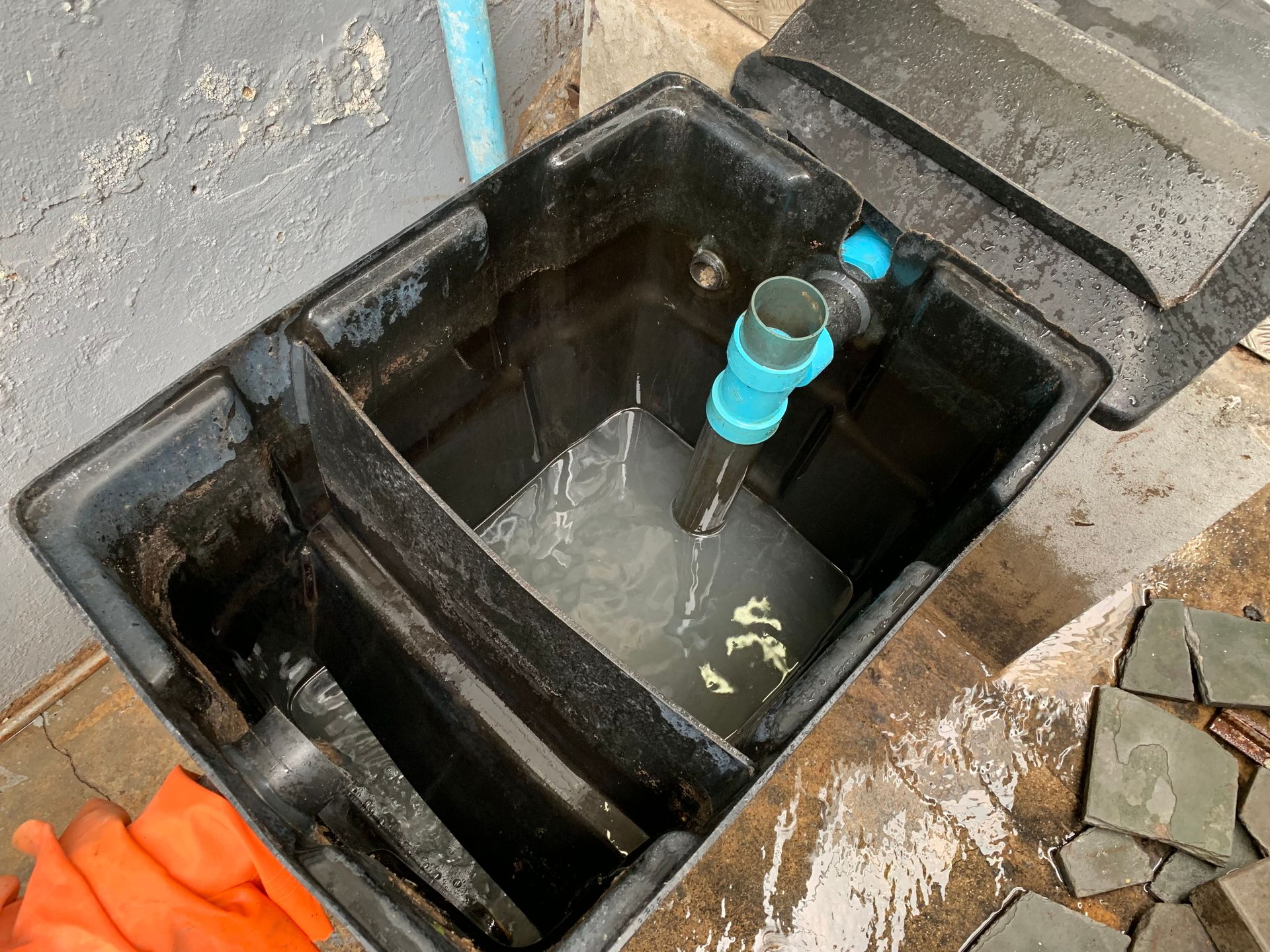
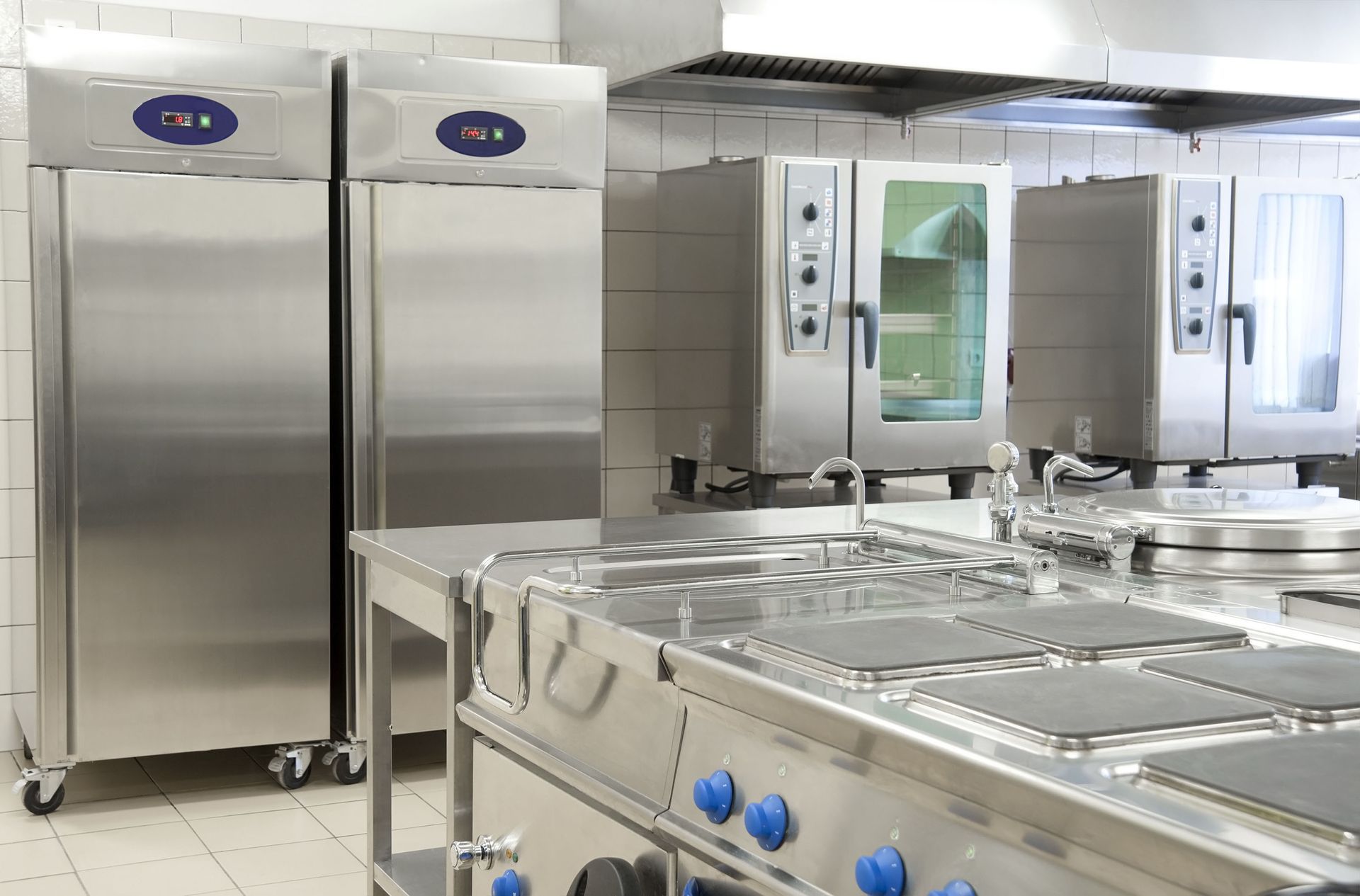
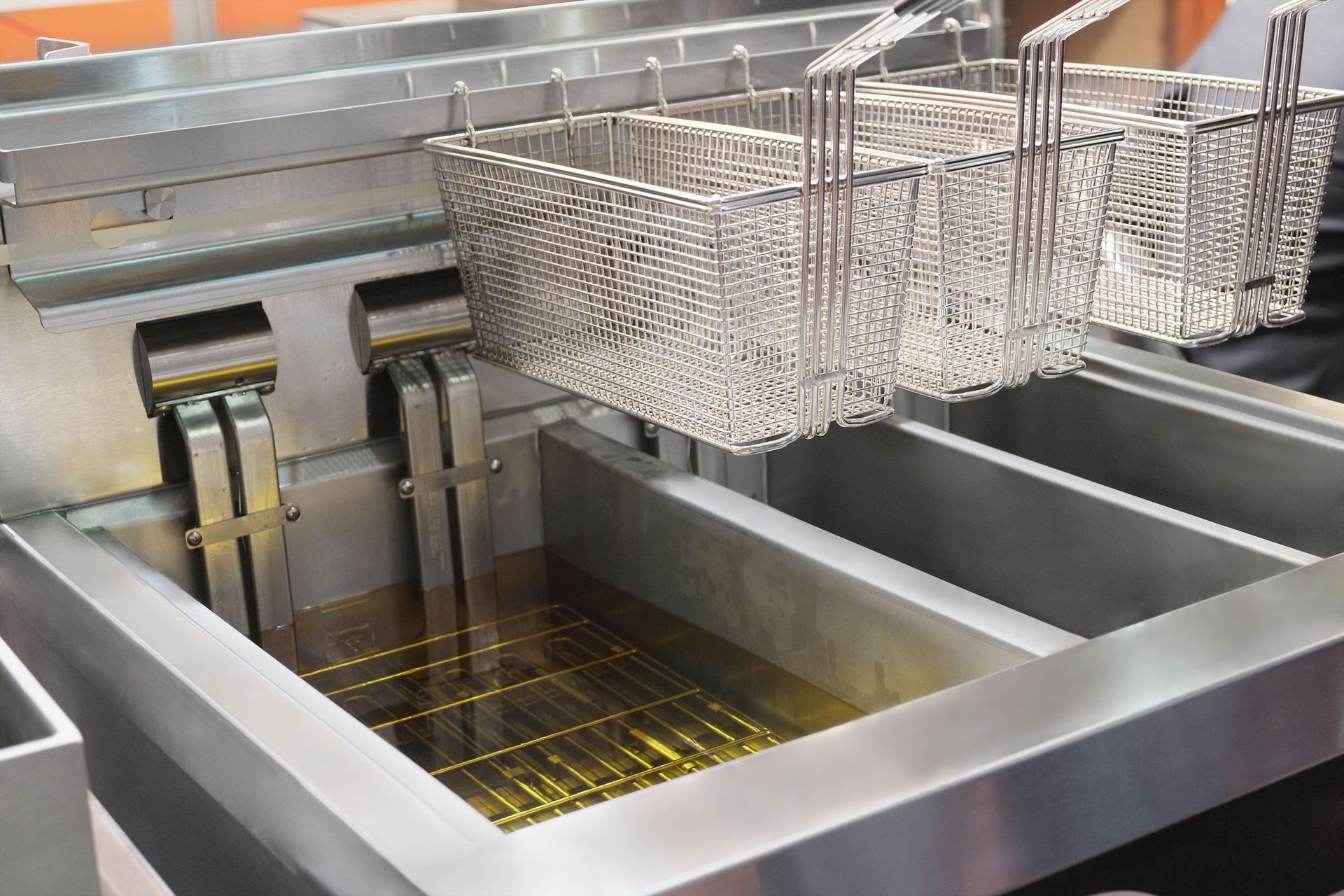
Operating a successful commercial kitchen or food service establishment requires meticulous attention to hygiene, efficiency, and infrastructure maintenance. Behind the fast-paced activity of food preparation lies a complex drainage system responsible for managing massive volumes of liquid waste, organic matter, and residual cooking oils. When animal fats, vegetable oils, and solid food particles pass down kitchen drains, they cool rapidly and solidify along the internal surfaces of drainage pipes. Without intervention, this accumulation forms dense, impenetrable obstructions that threaten daily operations and compromise facility sanitation. Commercial kitchens rely on interceptor devices to capture these heavy organic residues before they enter municipal sewer networks. However, these interceptor units possess finite holding capacity and require systematic attention to remain fully operational. Investing in routine grease trap cleaning serves as a critical defense strategy, preventing catastrophic pipe backups, mitigating health risks, and maintaining smooth wastewater flow. Understanding how regular maintenance preserves plumbing infrastructure empowers business owners to protect their property and maintain operational continuity.
Preventing Severe Line Blockages
Commercial kitchen drains handle continuous streams of warm wastewater mixed with melted lard, butter, and frying oils throughout daily service hours. As this hot mixture travels down wastewater lines, it rapidly cools upon contacting cold metallic or plastic surfaces, turning liquid fats into dense solid masses. These sticky deposits adhere to line walls, capturing floating food particles and creating expanding structural blockages. According to the United States Environmental Protection Agency, grease has been identified as the most common cause of sewer blockages, accounting for 47% of reported blockages. Scheduling systematic grease trap cleaning removes accumulated organic solids before they escape into main lateral lines, preserving full volumetric capacity across drainage systems.
When interceptor reservoirs reach maximum capacity, incoming fats bypass interior baffling mechanisms and flow directly into facility plumbing lines. This unmanaged discharge creates stubborn, rock-hard obstructions that standard mechanical augers struggle to clear. Accumulated grease also interacts with dissolved minerals in wastewater, forming tough, soapy concretions that severely constrict liquid movement. Routine professional extraction clears internal interceptor compartments completely, ensuring that kitchen wastewater flows freely through drainage pipes without meeting hazardous resistance.
Eliminating Noxious Foul Odors
Organic materials trapped within interceptor tanks undergo rapid microbial decomposition under warm, anaerobic conditions typical of commercial kitchens. Bacteria breaking down trapped animal fats and food scraps produce volatile organic compounds, including hydrogen sulfide gas, which smells strongly of decaying matter. These foul vapors travel backward through floor drains, sink basins, and ventilation stacks, contaminating kitchen air and creating unpleasant dining conditions for patrons. Regular grease trap cleaning eliminates decaying organic waste before microbial activity generates overwhelming odor emissions.
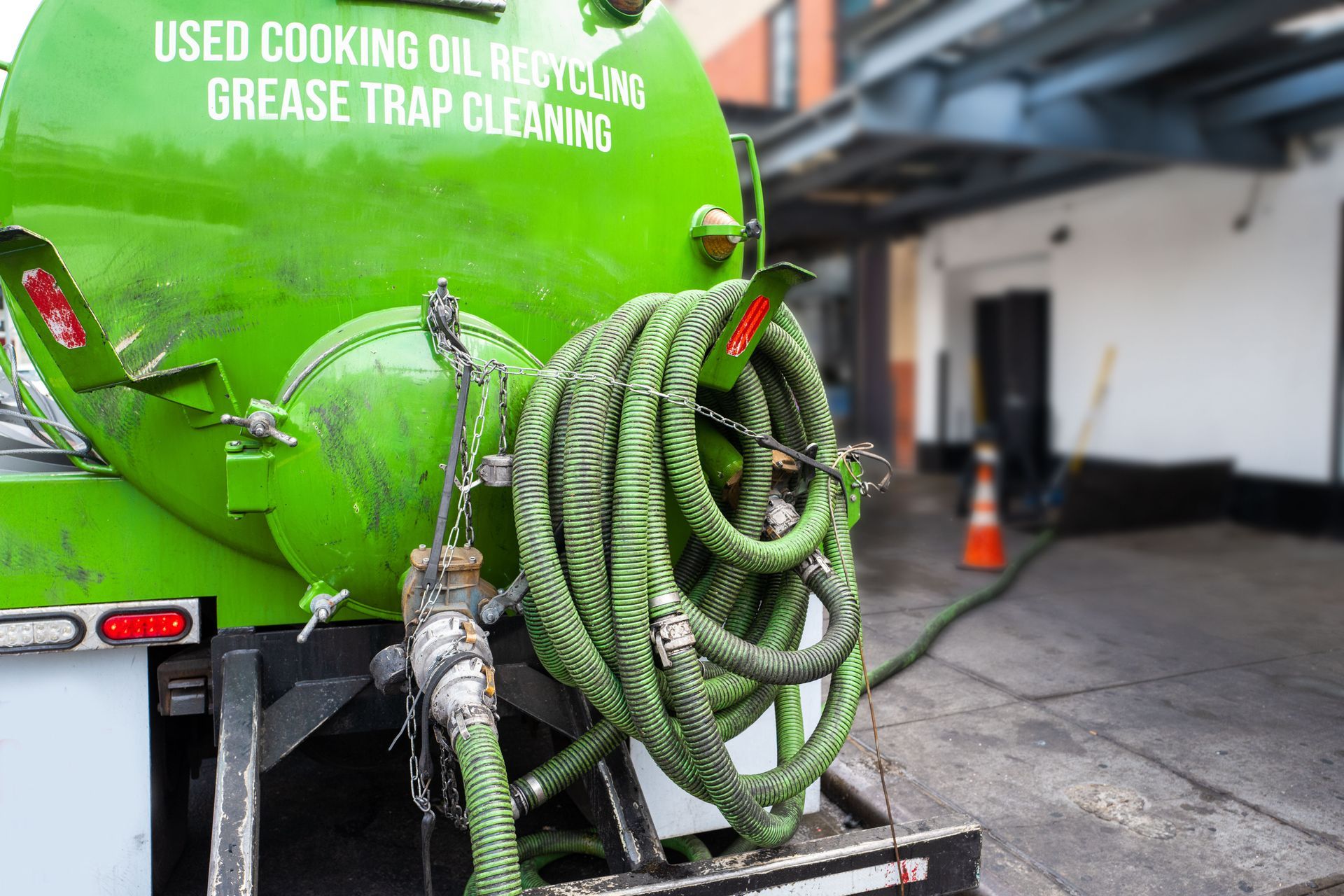
Beyond creating uncomfortable working conditions, hydrogen sulfide gas forms weak acids upon contacting moisture, which slowly corrodes metal drain lines and concrete interceptor walls. Persistent odor problems usually indicate that interceptor compartments are far past their operational holding limit and leaking gases through dried floor drain traps. Professional cleaning services pump out rotting sludge, scour internal tank surfaces, and restore proper hydraulic seals that block sewer gas migration. Maintaining clean interceptor reservoirs preserves fresh indoor air quality and protects building occupants from noxious airborne compounds.
Avoiding Expensive Emergency Repairs
Sudden drainage failures during peak dining hours create severe operational chaos, forcing kitchen staff to halt food preparation and close dining facilities. Wastewater backing up through floor drains floods kitchen workspaces, creating slippery hazards and severe sanitary violations that require immediate business closure. Resolving emergency plumbing crises requires hiring urgent response technicians, paying high emergency labor fees, and replacing damaged inventory or flooring. Committing to scheduled grease trap cleaning prevents sudden drainage blockages, allowing commercial kitchens to operate smoothly without facing unexpected mechanical shutdowns.
Emergency pipe clearing often involves invasive hydro jetting or physical pipe excavation that disrupts surrounding business operations for extended periods. In contrast, preventative maintenance services take place during off-peak hours, causing no disruption to daily culinary preparation. Removing accumulated sludge on a predictable schedule protects commercial budgets from unpredictable, costly emergency plumbing calls. Proactive facility care transforms wastewater management from a volatile hazard into a predictable, manageable operational expense.
Ensuring Regulatory Municipal Compliance
Municipal water authorities enforce strict environmental standards regarding the quality of wastewater discharged into public sewer infrastructure. Commercial kitchens discharging excessive fats, oils, and grease face heavy administrative fines, official noncompliance notices, and potential revocation of operational permits. Local inspectors perform unannounced evaluations of commercial interceptor logbooks to verify that cleaning schedules meet regional sanitary codes. Routine grease trap cleaning provides clear documentary proof that your business complies with municipal wastewater management regulations.
Failing to maintain interceptor equipment can also result in municipal utility crews billing your business for sewer main clearing operations. When private commercial grease escapes into public sewer lines, it creates massive fatbergs that paralyze entire municipal sewer networks. Establishing a consistent maintenance contract with certified service providers shields your business from legal liabilities, municipal penalties, and negative public relations. Staying compliant with local sanitation codes protects surrounding community infrastructure while preserving your enterprise reputation.
Extending Facility Pipeline Longevity
Heavy accumulations of acidic organic waste cause severe physical deterioration across plumbing components over extended operational periods. Fatty acids produced during grease decomposition attack metallic pipes, rubber gaskets, and cast iron fittings, causing premature pitting and structural leaks. Furthermore, chronic line blockages elevate internal hydrostatic pressure, placing dangerous mechanical stress on delicate pipe joints and sealant materials. Prioritizing timely grease trap cleaning reduces chemical corrosion and physical pressure across your entire internal drainage network.
Replacing corroded drainage lines buried beneath thick concrete kitchen slabs requires massive financial investments and weeks of operational downtime. Preserving existing plumbing infrastructure through proactive maintenance extends the service lifespan of building pipes by decades. Clean interceptor units reduce wear on downstream pumps, lift stations, and secondary filtration devices. Protecting your foundational plumbing assets through systematic maintenance delivers long-term financial savings and structural reliability.
Protecting Local Environmental Health
Unmaintained grease interceptors pose severe risks to local environmental health and surrounding water ecosystems. When commercial grease blockages cause sanitary sewer overflows, untreated wastewater spills into storm drains, urban creeks, and local waterways. This toxic discharge depletes oxygen levels in aquatic habitats, suffocates marine life, and introduces dangerous pathogens into local groundwater sources. Performing regular grease trap cleaning prevents environmental contamination, ensuring that commercial waste stays contained within proper treatment systems.
Responsible waste management extends to the safe disposal and recycling of collected grease materials. Professional disposal companies transport extracted organic waste to specialized processing facilities, where it is converted into biofuel, industrial lubricants, or organic compost. This sustainable approach reduces reliance on landfills and supports environmentally responsible circular economy initiatives. Partnering with certified service professionals ensures that your commercial kitchen contributes positively to local environmental conservation efforts.
Maintaining clean, efficient drainage systems remains essential for protecting commercial kitchen operations, preserving physical building assets, and satisfying local health regulations. Neglecting interceptor maintenance leads directly to severe line blockages, foul indoor odors, expensive emergency plumbing fees, and heavy municipal noncompliance fines. Committing to a predictable schedule of professional grease trap cleaning eliminates harmful organic buildup, protects piping infrastructure from acidic corrosion, and safeguards local environmental health. Proactive facility care transforms potential plumbing disasters into a smooth, predictable routine that supports continuous business success. Taking control of your wastewater infrastructure ensures a safe working environment for staff and an exceptional experience for patrons. When you are ready to establish a reliable maintenance schedule for your commercial kitchen, reach out to the experienced team at Brooks Grease Service Inc.