August 27, 2026
Grease traps play a crucial role in the effective management of kitchen wastewater in restaurants. They serve as a primary defense against unwanted grease entering the wastewater system, thereby preventing serious plumbing issues. Without grease traps, restaurants risk significant financial loss due to plumbing repairs and possible closures mandated by health authorities. Grease buildup in pipes can lead to blockages and subsequent overflow, causing unpleasant odors and potential health hazards. Hence, understanding the operation of grease traps is vital for restaurant owners to maintain smooth kitchen operations and compliance with environmental regulations.
Neglecting these devices can lead to dire consequences, including heavy fines and legal actions. Environmental authorities impose strict regulations on wastewater management to protect water bodies from pollution. Furthermore, according to Popular Science, commercial kitchens can rely on these systems to store up to 225 pounds of used grease, emphasizing their immense capacity and necessity. Noncompliance could not only strain a relationship with health inspectors but could also tarnish reputations among environmentally conscious consumers. Prompt and regular maintenance of grease traps is therefore essential.
Master The Basics
A grease trap is a plumbing device that effectively intercepts fats, oils, and grease before they enter the sewer system. These devices capture waste from kitchen wastewater, thereby preventing clogging in pipes, which can lead to plumbing issues. They come in various sizes and types, but their primary function remains the same: to separate water from fats and oils. The concept dates back many years, originating from simple designs that have evolved significantly to meet the rising demands of modern commercial kitchens. Over time, innovations have led to more efficient models with improved separation efficiency and enhanced capacity. Today, they are an integral component of kitchen design, reflecting technological and regulatory advancements in wastewater management.
In the restaurant industry, grease traps are indispensable tools for both operational efficiency and regulatory compliance. They help prevent the accumulation of waste in pipes, which could otherwise result in costly plumbing repairs and business disruptions. Moreover, they are essential to meet health and safety regulations mandatory for food establishments. By capturing waste early, they protect local water treatment facilities from overload and contribute to cleaner and safer waterways.
Operate The Separation System
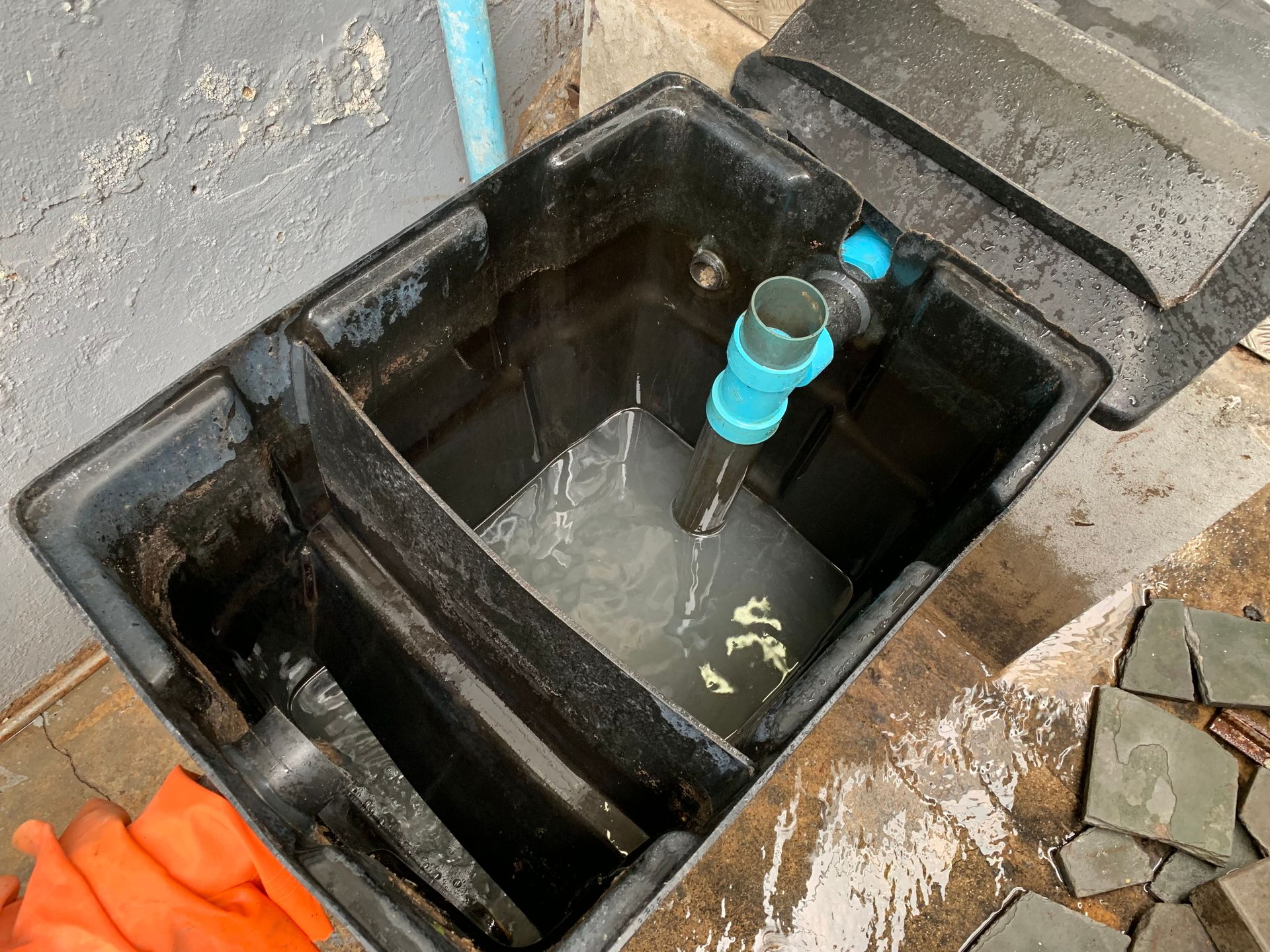
The fundamental principle behind grease traps is the separation of waste from water based on differences in density. When wastewater flows through the device, the lighter waste and solid food particles float to the top, while the heavier water flows underneath and continues into the sewage system. The trapped waste is then collected manually or automatically depending on the trap type. This passive separation helps in retaining substantial quantities of fats, thus maintaining clear sewage pipes. Understanding this principle is critical for effective management and operation in restaurant settings.
A typical system comprises several key components that work together to ensure efficient operation. These include an inlet and outlet pipe, flow restrictor, and baffles that guide the flow of wastewater. The body or chamber is designed to hold accumulated waste for removal while allowing water to exit. Some modern systems may also include sensors that alert when cleaning is needed. Understanding the roles and functions of these components is vital in troubleshooting any performance issues that may arise over time.
Select And Install Equipment
Selecting the correct size is critical for ensuring effective wastewater management in restaurants. A comprehensive assessment of the kitchen flow rate during peak hours should guide the selection process. Generally, capacity should exceed the expected flow to prevent frequent overflows and backups. Consulting with professionals can aid in making an informed decision. Getting the correct size ensures optimal operation, maintaining both compliance and hygiene standards in the establishment.
Placement in a kitchen design directly impacts efficiency and convenience. Ideally, devices should be located close to the source of wastewater, such as sinks and dishwashers, to minimize the distance waste travels before separation. Proximity to drains is also advantageous for ease of maintenance and cleaning. The installation involves specific technical steps to ensure proper functioning. Post placement, the device is connected to the drainage system, following manufacturer guidelines to ensure watertight connections. Testing for leaks and verifying flow rates are crucial steps before commissioning the system. Compliance with local regulations regarding installation is mandatory for all restaurants to prevent legal issues.
Proper installation relies heavily on partnering with experienced professionals who understand your specific needs. They will evaluate your kitchen layout to determine optimal placement and ensure seamless integration with existing plumbing. Taking these proactive steps ultimately safeguards your establishment against unexpected disruptions, securing a reliable foundation for your ongoing culinary success and peace of mind.
Maintain A Clean Environment
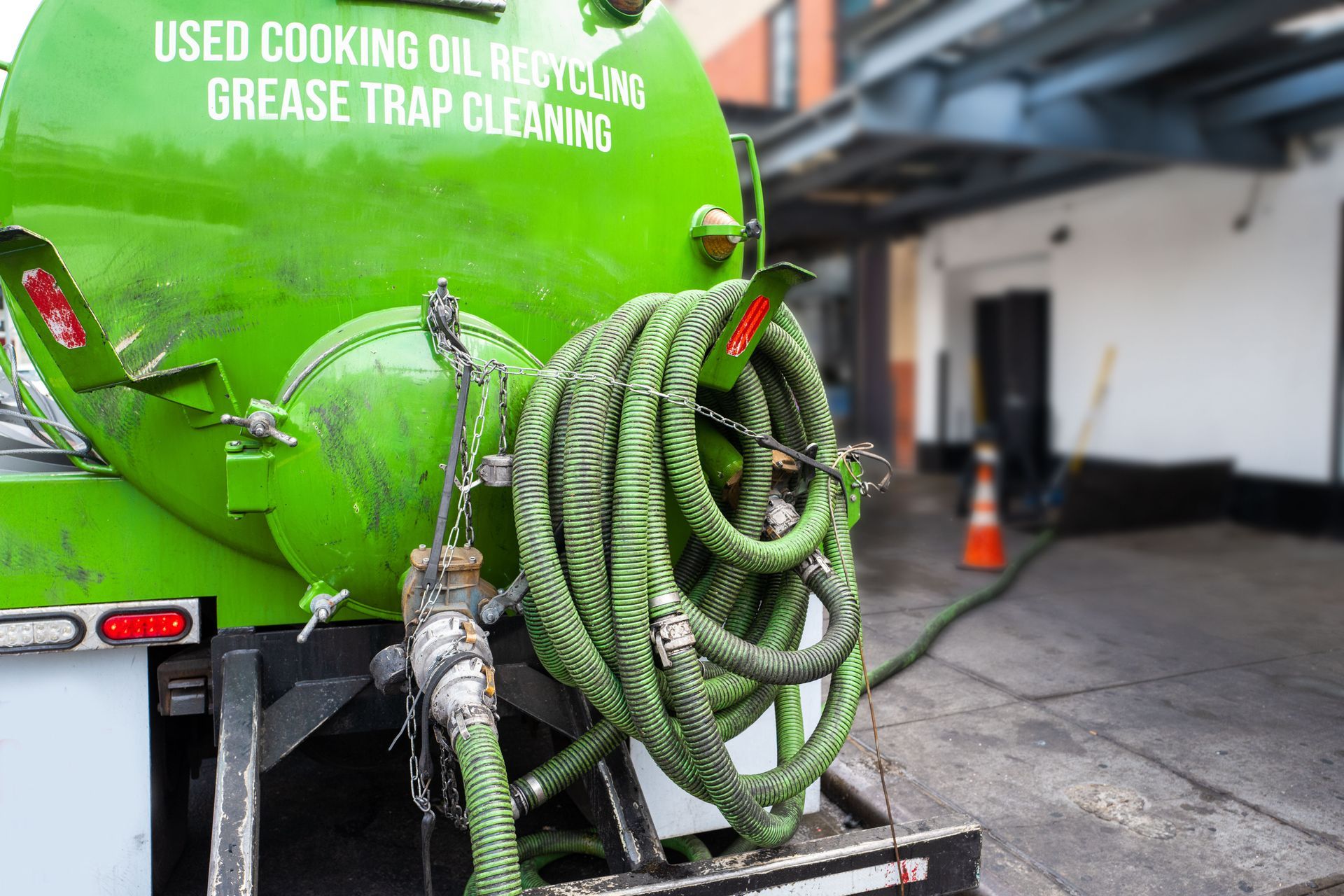
The frequency of cleaning is influenced by size, the volume of kitchen waste produced, and local regulations. Regular cleaning prevents overflow and maintains operational efficiency, extending lifespan. Inconsistent maintenance can lead to backups, unpleasant odors, and potential health violations. Consequently, establishing a regular cleaning schedule is not only a best practice but often a regulatory requirement in many jurisdictions. Different cleaning techniques are employed, ranging from manual to automated systems. Manual cleaning involves physically removing accumulated waste, rinsing the interior, and ensuring all components are free of debris.
Indications that maintenance is required include slow drainage, foul odors emanating from the kitchen, and visible spills. Continuous overflow or backups in the kitchen can also be a sign of a full or malfunctioning device. Routine inspections are vital for identifying wear and tear on components, seals, and baffles. Proactive maintenance not only ensures compliance but significantly reduces the risk of costly repairs and operational disruptions. Restaurants can opt for either professional services or internal staff maintenance, each with its own advantages and drawbacks.
Advance Waste Management Technology
The field of waste management technology has seen remarkable advancements that enhance both efficiency and operational ease. Innovations include automatic removal systems that minimize manual labor while optimizing separation. Additionally, modern options now feature remote monitoring capabilities that provide real-time data on status, helping prevent overflows and maintenance issues. These technological improvements cater to the increasing demands of sustainability and regulatory compliance within commercial kitchen settings. Embracing these innovations allows restaurants to boost efficiency and align with contemporary environmental standards.
The development of smart options exemplifies the integration of technology in modern waste management solutions. These models employ sensors and real-time alerts to monitor levels and system functioning, improving response times for maintenance needs. By utilizing internet-connected sensors, they offer diagnostic capabilities that predict potential failures, enhancing operational reliability. Furthermore, recent advancements focus on improving energy efficiency, thereby lowering operational costs and environmental impacts. Energy-efficient models utilize advanced materials and mechanisms, reducing the energy required for operation and maintenance.
Effective management of kitchen wastewater is a fundamental responsibility for any restaurant, playing a vital role in maintaining hygiene, operational efficiency, and environmental compliance. Properly functioning systems prevent severe plumbing issues, reduce the risk of regulatory fines, and protect local waterways from harmful pollution. By understanding the mechanics of grease traps, business owners can ensure smooth operations and uphold their commitment to environmental sustainability. Consistent maintenance and adopting technological advancements further empower kitchens to operate cleanly and responsibly. For expert assistance in keeping your systems running flawlessly, contact Brooks Grease Service Inc to schedule your next maintenance appointment today.