September 29, 2026
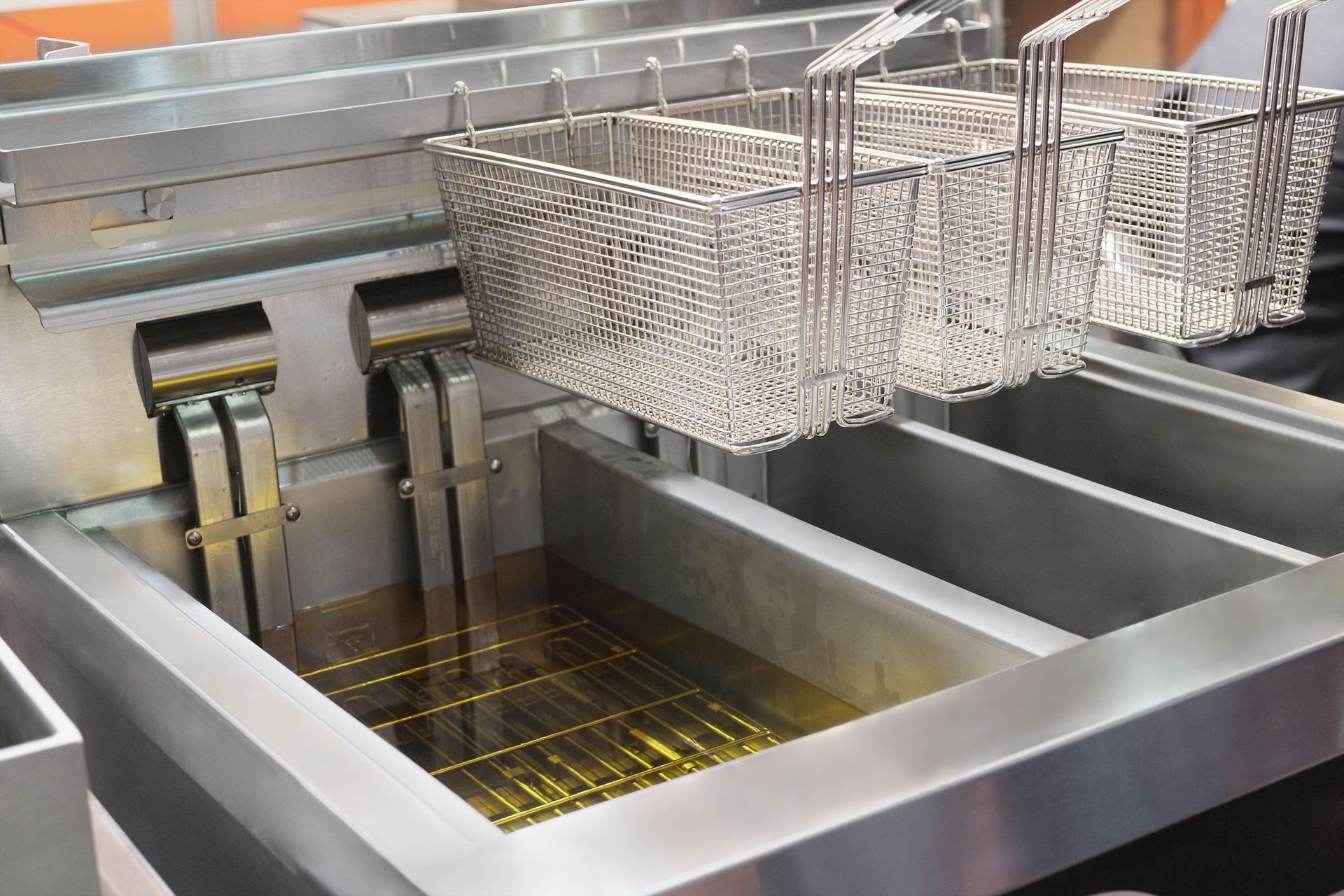
Grease is a common part of food preparation and commercial kitchen operations, but it can create serious problems when it is not handled properly. Over time, grease can collect in drains, containers, and waste systems, creating blockages, odors, sanitation concerns, and other issues. This article explains why proper grease removal and disposal matters, what can happen when grease is handled incorrectly, and why seeking professional help can support cleaner and safer operations.
Preventing Costly Plumbing Problems
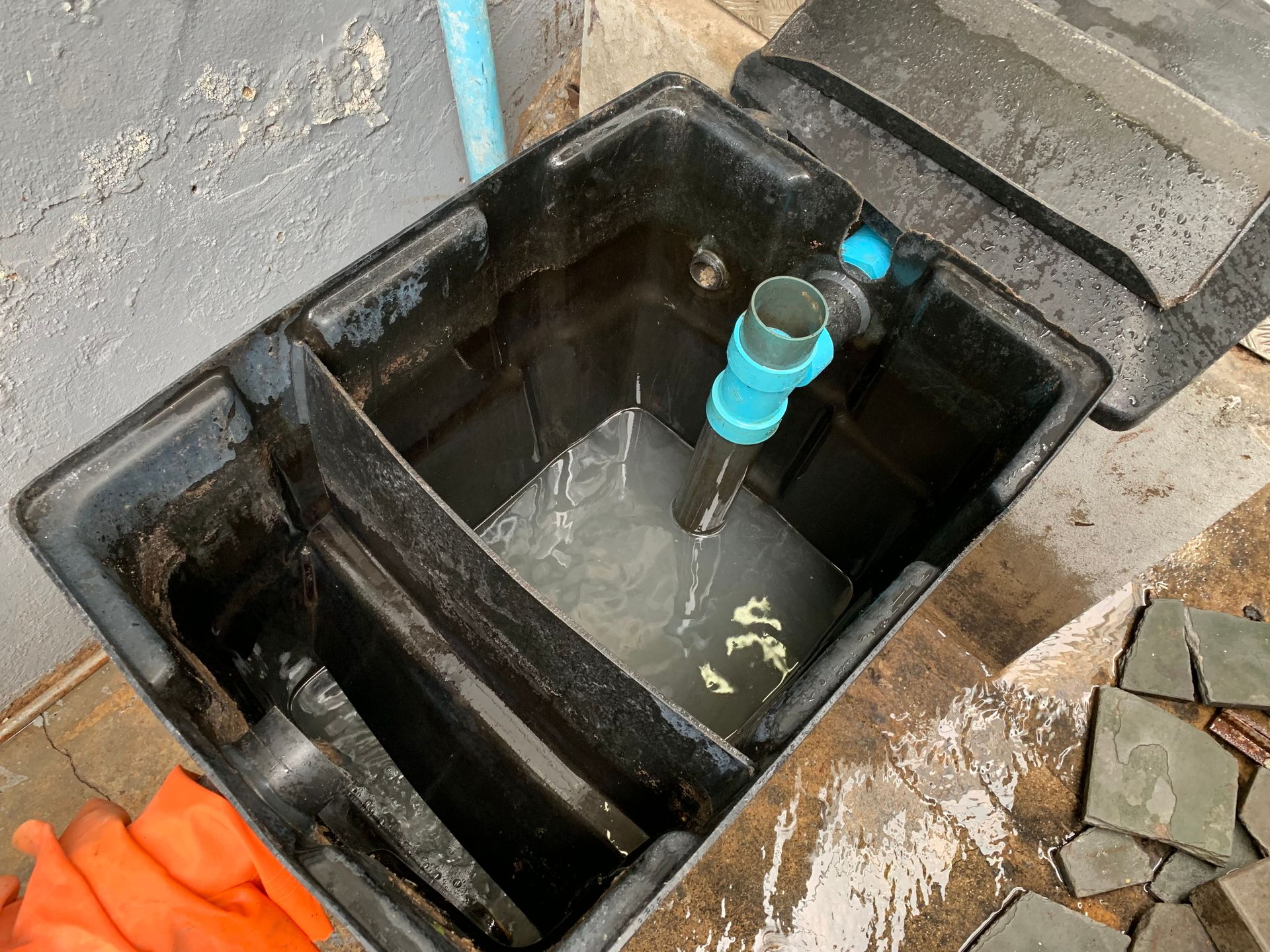
Grease can become a major problem when it enters plumbing systems and begins to cool. As grease cools, it can stick to the inside of pipes and collect other materials that pass through the system. Over time, these deposits can restrict water flow and contribute to backups. Regular grease removal can help reduce the amount of buildup that enters drains and other parts of a waste system. When grease is allowed to collect for too long, the resulting blockage may require more extensive attention. A backup can also interfere with normal business operations and create unpleasant conditions. Addressing grease before it creates a larger issue can help businesses avoid unnecessary disruptions. Regular attention to grease waste also makes it easier to identify developing problems before they become more difficult and costly to address.
Reducing Environmental Concerns
Improper grease disposal can affect more than the plumbing inside a building. When cooking grease is poured into drains or placed in inappropriate waste streams, it can eventually make its way into sewer systems and other areas where it does not belong. Grease can collect along sewer lines and contribute to blockages within public wastewater systems. These problems can affect multiple properties rather than just the location where the grease originated. Proper grease removal and disposal practices help limit the amount of waste entering systems that are not designed to handle large quantities of grease. Responsible disposal also supports cleaner surroundings. Keeping grease contained and directing it through appropriate disposal methods can reduce the chance of spills, leaks, and other waste-related problems.
Avoiding Health and Sanitation Issues
Grease buildup can create unpleasant conditions in areas where food is prepared or handled. Old grease can develop strong odors and may attract insects, rodents, and other pests. These conditions can make a commercial space less sanitary and more difficult to maintain. Keeping grease waste under control is part of maintaining a clean working environment. Proper grease removal can help limit the accumulation of old cooking waste and reduce some of the conditions that contribute to odors and pest activity. Sanitation is especially important in businesses that prepare or serve food. Grease should be handled as part of an overall waste management routine rather than allowed to collect until it becomes a noticeable problem. Regular attention can make cleaning routines more manageable and help maintain a more orderly environment.
Protecting Business Operations
Grease-related problems can interfere with normal operations. A clogged drain, unpleasant odor, or waste overflow can create interruptions that affect employees, customers, and daily schedules. Even a problem that begins as a small amount of grease buildup can become more disruptive when it is ignored. Proper waste management helps businesses keep these concerns under control. Scheduling grease removal as part of regular maintenance can reduce the likelihood of grease accumulating beyond manageable levels. Operational interruptions can also create unexpected expenses. Time spent addressing a preventable grease problem can take employees away from their normal responsibilities. Keeping grease waste properly managed allows businesses to focus on their daily activities instead of reacting to avoidable waste issues.
Following Disposal Requirements
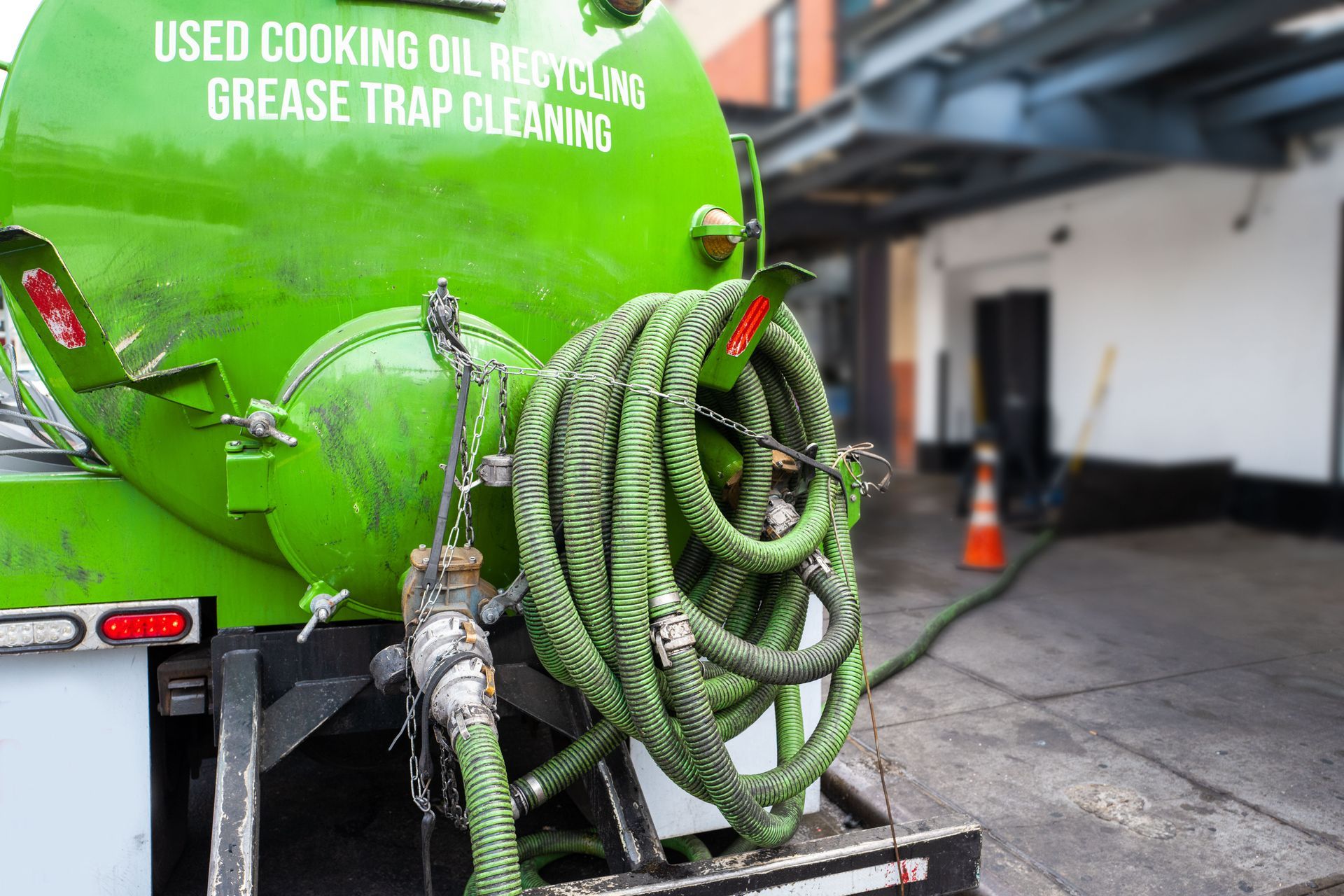
Grease disposal is not simply a matter of pouring waste down a drain or placing it wherever space is available. Local requirements may apply to how used cooking oil and grease are collected, stored, transported, and disposed of. Businesses should understand the requirements for their location and type of operation. According to Grease Trap Locator, improper disposal of used cooking oil and grease can result in fines of $1,000 to $25,000 per violation. Potential fines make proper disposal an important part of responsible business management. Following appropriate disposal practices can help businesses avoid preventable compliance problems. Seeking professional help can also make it easier to establish a waste management routine that fits the business and applicable requirements.
Preventing the Accumulation of Grease
Grease problems often develop gradually. A small amount of residue may not seem significant at first, but repeated disposal can cause layers of buildup to form over time. Once grease accumulates, removing it may require more time and attention. Consistent grease removal helps keep waste from reaching a point where it creates larger problems. A regular schedule can also make grease management more predictable. Instead of waiting for an odor, backup, or overflow to appear, businesses can add proper grease removal to their normal maintenance routine. The right schedule can vary based on the type of business, volume of food preparation, and amount of grease generated. Seeking professional guidance can help determine an appropriate approach based on actual operating conditions.
Improving Workplace Conditions
A clean workplace is easier to maintain when waste is handled consistently. When grease is left sitting in containers, drains, or other areas, it can create odors and make surrounding surfaces more difficult to clean. Proper grease removal supports better overall housekeeping by keeping grease waste under control. It can also reduce the chance that employees encounter unnecessary spills or accumulated waste during normal work activities. Good waste practices are easier to maintain when responsibilities and schedules are clear. Businesses can establish routines for handling grease and work with professional providers when regular removal or disposal support is needed. This approach can help keep waste management from becoming an afterthought.
Protecting Long-Term Maintenance
Regular maintenance is often less disruptive than waiting for a serious problem to develop. Grease buildup can affect drains, waste systems, and other components over time. Addressing the waste before it becomes excessive can help reduce the strain placed on these systems. Grease removal is one part of a broader maintenance plan. Businesses can monitor areas where grease is commonly generated, pay attention to changes in drainage or odors, and seek professional help when problems appear. Keeping up with maintenance can also provide better visibility into recurring issues. If the amount of grease continues to accumulate quickly, a professional can help identify potential causes and discuss appropriate next steps. This can make waste management more consistent over the long term.
Supporting Responsible Waste Management
Proper grease handling is ultimately about managing waste responsibly. Businesses that generate cooking grease have a role in keeping that waste out of plumbing systems and other areas where it can cause problems. Effective grease removal helps control buildup while supporting cleaner work areas and more predictable maintenance. It also provides a practical way to manage waste before it creates unnecessary disruptions. Businesses do not have to wait until a serious problem occurs before addressing grease. Establishing a routine and seeking professional assistance can make waste management easier to maintain. The goal is to keep grease contained, removed appropriately, and handled according to applicable requirements.
Grease may be a routine byproduct of food preparation, but improper handling can lead to plumbing problems, sanitation concerns, environmental issues, operational disruptions, and potential fines. Consistent grease removal helps reduce these risks and keeps waste from becoming a larger issue. Proper grease removal should be viewed as an ongoing part of responsible waste management rather than a task to address only when problems appear. With an appropriate schedule and professional support when needed, businesses can keep grease waste under better control and maintain cleaner, more manageable operations. For reliable grease removal, contact Brooks Grease Service Inc to discuss a practical approach for managing your business's grease waste.