March 30, 2026
This section will introduce the importance of grease traps in restaurants and how they play a critical role in environmental protection. It will provide an overview of how grease traps function and their significance in maintaining plumbing and sewer systems.
The Fundamentals of Grease Traps
Understanding Grease Trap Mechanics
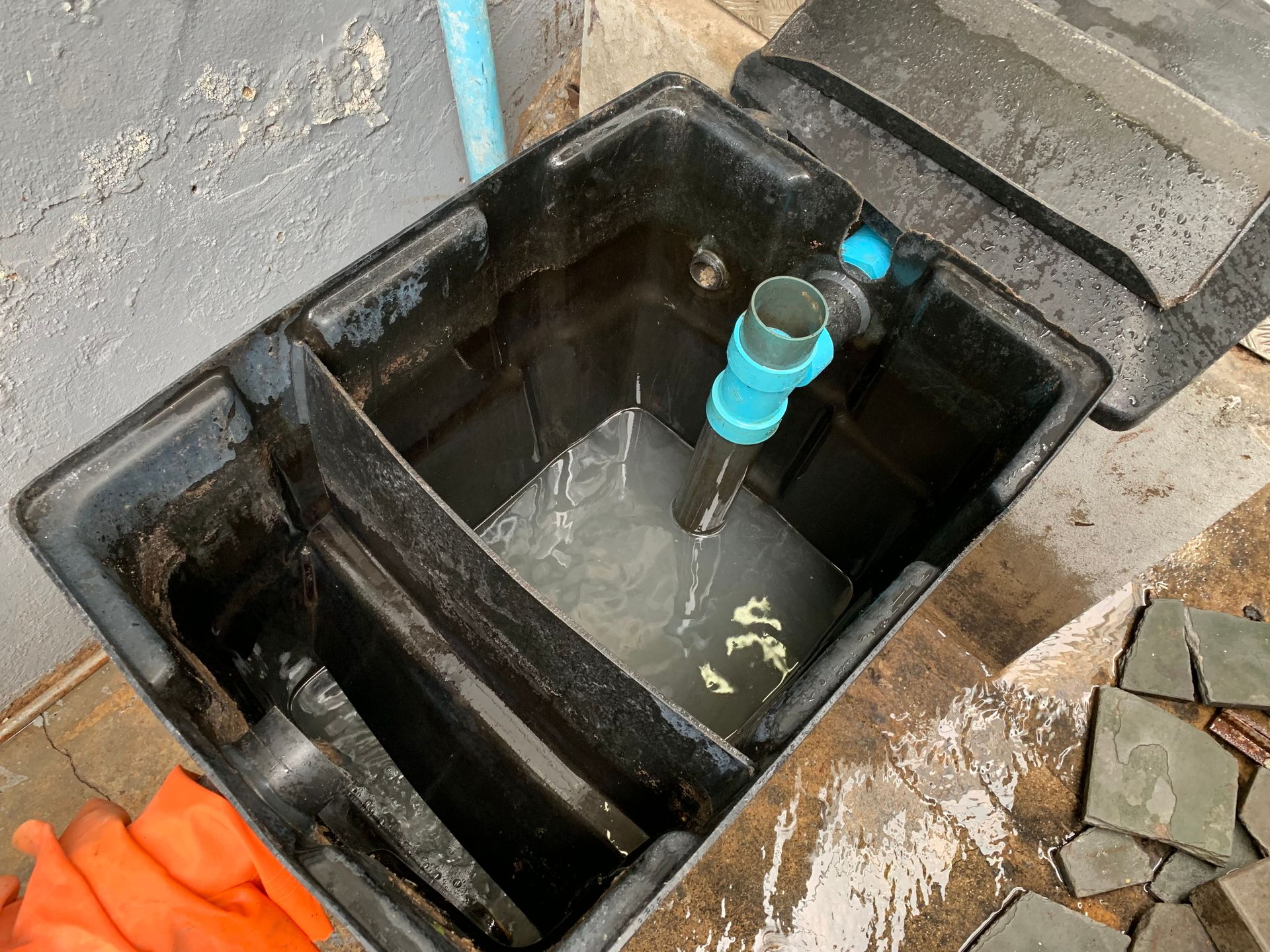
Grease traps, often called grease interceptors, are devices designed to capture fats, oils, and grease (FOG) from wastewater before they enter the sewer system. These devices work by slowing down the flow of wastewater, allowing FOG to cool and solidify. The separated grease floats to the top where it can be removed, while the remaining water flows into the sewage system. This process prevents FOG from entering and clogging sewer lines, which can lead to overflow and contamination issues. By intercepting grease at the source, grease traps play a preventive role in maintaining efficient plumbing systems.
The mechanics of a grease trap rely on simple gravity separation. As wastewater enters the trap, it passes through several chambers where grease and oils separate from water. The design and size of the grease trap can vary, but the underlying function remains the same: to keep FOG from causing blockages. Regular maintenance and cleaning are essential to ensure that grease traps function optimally. Without these precautions, the efficiency of the trap diminishes, leading to potential environmental hazards.
Grease traps are crucial components in many commercial kitchens. Their performance is directly dependent on proper installation and maintenance. Understanding the mechanics of grease traps helps restaurant owners implement better waste management techniques. Well-maintained traps reduce the risk of grease-related plumbing issues, lowering repair costs and environmental impact. In the broader scope, they serve as integral tools in sustainable restaurant operations.
Types of Grease Traps
There are different types of grease traps used depending on a restaurant's volume of wastewater and grease production. Passive hydromechanical grease interceptors, for example, are typically found under sinks or as part of applications inside buildings. These smaller units are appropriate for establishments with lower grease production. Larger gravity grease interceptors, often situated outside, can handle greater volumes of FOG and are used in larger establishments. The choice between these types largely depends on the restaurant's size and the local regulations governing grease management.
Another variation includes automatic grease removal units, which technologically advance the process by skimming accumulated grease into a separate container. This type of modern grease trap system reduces the frequency of manual cleaning and ensures continuous operation. Automatically removing grease helps mitigate risks associated with overflow and ensures compliance with stringent environmental standards. The convenience and efficiency of automatic systems can offer significant advantages, especially for high-traffic restaurants. Despite the higher initial cost, the operational savings and reduced environmental impact can justify the investment.
Choosing the right type of grease trap is a critical decision for restaurant owners. Understanding the operational requirements and output of a restaurant allows owners to tailor their grease management to meet both economic and environmental goals. Compliance with local regulations also influences this decision, as different jurisdictions have specific laws regarding grease waste management. The appropriate type of grease trap ensures efficient FOG capture, supporting both operational efficiency and sustainability. Ultimately, a well-chosen and maintained grease trap system can minimize environmental footprints and improve restaurant performance.
The Historical Evolution of Grease Traps
The concept of grease management has evolved significantly over the years. Initially, rudimentary grease collection techniques were employed, which were often inefficient and environmentally detrimental. As urban populations grew, the need for more sophisticated methods became apparent. The introduction of dedicated grease traps marked a pivotal advancement in managing FOG. These devices not only improved the efficiency of waste management but also significantly reduced the environmental impact associated with improper grease disposal.
Technological advancements over time have led to the development of modern grease traps, incorporating materials and designs that enhance separation efficiency. Factors such as increased understanding of FOG behavior and advancements in engineering have contributed to this growth. Today, smart technologies and real-time monitoring systems are being integrated with grease traps, offering more automated and reliable operations. As a result, the evolution of grease traps reflects an ongoing commitment to improving environmental sustainability. These advancements have also correlated with stricter regulations, driving innovation in the field.
The historical evolution of grease traps is a testament to the growing awareness of environmental issues and the proactive steps taken by industries to address them. As society continues to prioritize sustainability, the role of grease traps in food service operations becomes increasingly prominent. Innovations in design and functionality mirror the broader trend of integrating environmentally friendly practices in business. This evolution signifies a shift towards more conscious waste management solutions. By continuously improving grease trap technology, the industry better aligns with global sustainability goals.
Implementation in Modern Restaurant Designs
Incorporating grease traps into modern restaurant designs is essential for optimal functionality and compliance with environmental standards. New build and renovation projects often include plans to integrate advanced grease management systems. Considerations include the anticipated volume of wastewater and the available space for installing necessary equipment. The integration of grease traps during the initial design phase allows for more cohesive plumbing systems, reducing the likelihood of costly modifications later on. Strategic placement and sizing are crucial to meet both operational needs and local regulations.
Choosing appropriate equipment and designing restaurant layouts involve collaboration between architects, engineers, and kitchen designers. This interdisciplinary approach ensures that all aspects of the restaurant operate seamlessly. By aligning grease trap placement with workflow efficiency, restaurants can safeguard against potential disruptions. Additionally, strategic implementation assists with future modifications and expansions. The focus on upfront planning reflects the industry's commitment to sustainable and efficient operations, saving time and resources in the long run.
Modern restaurant designs place a strong emphasis on sustainability and environmental impact. Integrating grease management solutions is an embodiment of this ethos. Each stage of the design process ensures that the restaurant's operations align with contemporary environmental expectations. Partnering with experienced professionals helps restaurant owners navigate compliance requirements and choose the most suitable equipment. Ultimately, a thoughtfully designed system contributes not only to environmental protection but also to long-term operational success.
Comparison with Alternative Grease Management Systems
While grease traps are widely used, other systems are also available for managing fats, oils, and grease. One alternative is the use of biological treatments, where microorganisms break down grease into simpler compounds. This process reduces the accumulation of grease, minimizing blockages and environmental impact. However, the efficacy of biological systems can vary, depending on the composition of wastewater and operating conditions. Although biological treatments offer an eco-friendly option, they often require precise maintenance to ensure effectiveness.
According to the Environmental Protection Agency, 23,000 to 75,000 sanitary sewer overflows occur each year, many due to fats, oils, and grease. Other systems, such as chemical additives, aim to emulsify grease and oils, preventing them from solidifying. While these can be effective in some scenarios, they introduce chemicals into the wastewater, possibly affecting sewage treatment processes downstream. In some cases, municipalities may restrict the use of such additives due to potential environmental concerns. Mechanical systems, like grease traps, remain more straightforward and generally more reliable. However, the choice of system often depends on the specific needs and circumstances of the restaurant. The balance between cost, effectiveness, and ecological impact typically guides decision-making. Be sure to reach out to Brooks Grease Service Inc today for more information on our professional restaurant grease trap services!