February 27, 2026
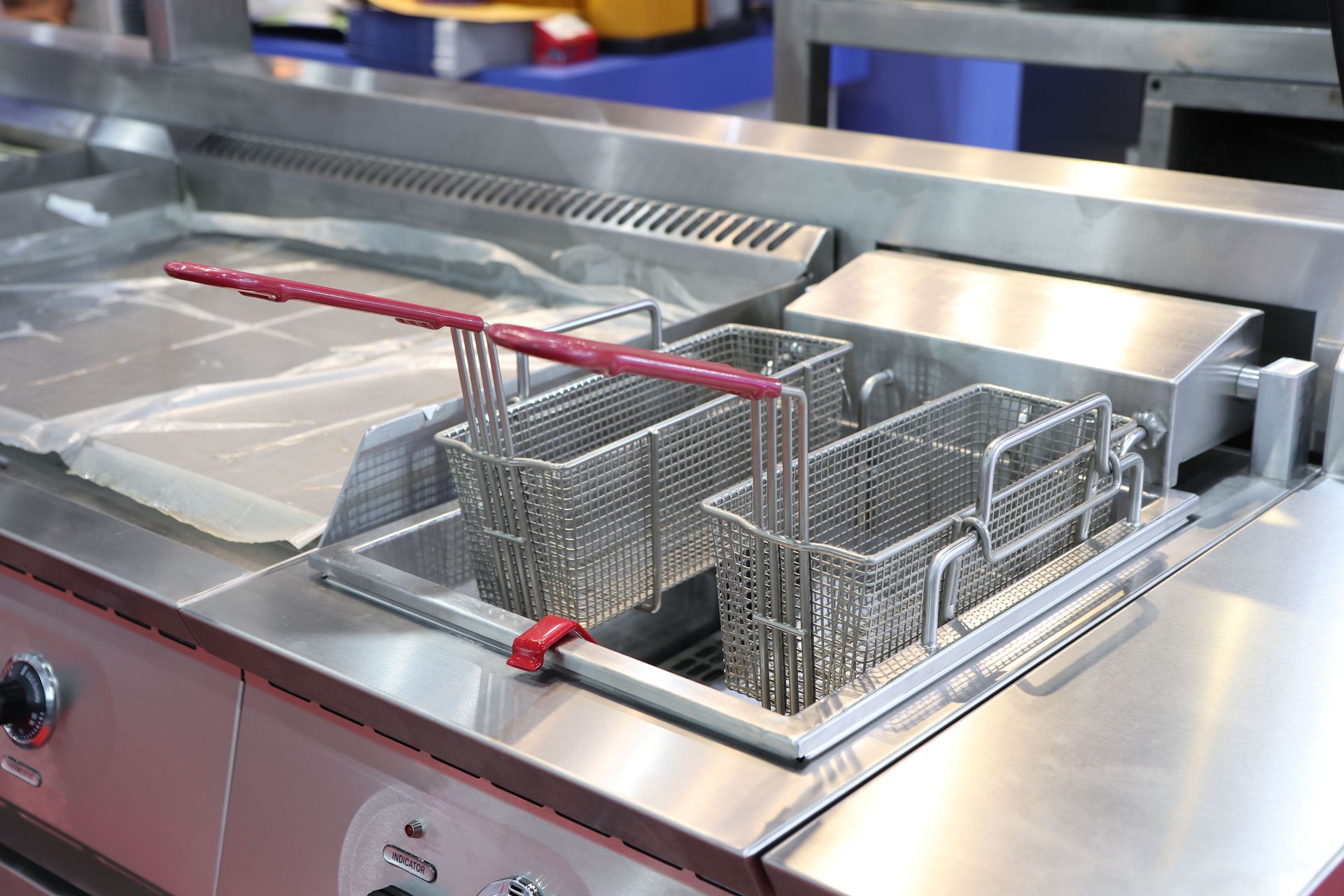
In any commercial kitchen, fryers are among the hardest-working pieces of equipment. From crispy appetizers to golden entrées, consistent frying depends on properly maintained oil and equipment. While many operators focus on recipes and cooking times, the condition of the oil itself plays a major role in food quality, efficiency, and the lifespan of the fryer. Neglecting oil maintenance can quietly lead to higher costs, slower service, and premature equipment failure.
Dirty oil does more than affect flavor. It changes how fryers heat, how quickly components wear down, and how often maintenance is required. Managing commercial cooking oil properly is essential for maintaining consistent performance and protecting your investment. In this article, we'll explore how dirty oil impacts fryer performance, kitchen safety, and long-term equipment longevity.
Reduced Heating Efficiency and Temperature Stability
One of the first effects of dirty oil is reduced heating efficiency. As oil breaks down, it accumulates food particles, carbon deposits, and free fatty acids. These contaminants interfere with heat transfer, making it harder for the fryer to reach and maintain the desired temperature.
When commercial cooking oil becomes degraded, heating elements must work harder and run longer to compensate. This increases energy consumption and creates inconsistent cooking conditions. Food may take longer to cook, leading to slower service during busy periods. In high-volume kitchens, even a few extra seconds per batch can add up quickly, creating bottlenecks during peak hours.
Temperature fluctuations can also impact product quality. Overheated oil may burn food quickly on the outside while leaving the inside undercooked. On the other hand, oil that struggles to reach the proper temperature can cause food to absorb more grease. Maintaining clean oil helps stabilize fryer temperatures and supports reliable performance throughout service hours.
Increased Equipment Wear and Tear
Dirty oil doesn't just affect cooking results; it accelerates equipment wear. As oil deteriorates, it becomes thicker and more acidic. This change in chemical composition can corrode internal components, including heating elements, temperature probes, and metal surfaces within the fry pot.
Sediment buildup at the bottom of the fryer tank can cause localized overheating. These “hot spots” strain the fryer and increase the risk of mechanical failure. When debris settles around heating elements, it acts as insulation, forcing the elements to run hotter than intended. Over time, this added stress shortens the lifespan of the equipment.
Gaskets, seals, and valves are also vulnerable. Contaminated commercial cooking oil can contribute to clogs and blockages in oil return lines and filtration systems. Replacing fryers or major components is costly and disruptive. By regularly filtering and replacing commercial cooking oil, operators reduce strain on internal parts and help extend the unit's operational life.
Decline in Food Quality and Consistency
Food quality is one of the most visible indicators of oil condition. Dirty oil darkens over time and absorbs flavors from previously cooked items. If seafood, spicy products, and desserts are all fried in the same oil without proper filtration, flavor transfer becomes noticeable.
Fresh commercial cooking oil produces crisp, golden results with clean flavor. In contrast, degraded oil may cause food to absorb more grease, resulting in soggy textures and diminished taste. Excessive foaming is another sign of oil breakdown, which can further compromise product appearance and consistency.
Customers may not know the science behind oil degradation, but they can quickly recognize when fries taste stale or when chicken appears overly dark. In competitive markets, small differences in quality influence repeat business and online reviews. Consistency is especially important in restaurants where guests expect the same experience with every visit. Maintaining clean oil protects your brand reputation and keeps dishes tasting as intended.
Higher Energy and Operating Costs
When fryers struggle to maintain temperature due to contaminated oil, energy usage increases. Heating elements run longer cycles, and recovery times between batches extend. This inefficiency raises utility bills and reduces overall kitchen productivity.
Dirty oil also leads to more frequent maintenance and cleaning needs. Sediment buildup can clog filtration systems and drainage valves, requiring additional labor time for deep cleaning. Staff may spend extra hours scrubbing carbonized residue from fryer walls and baskets.
There are also indirect costs. If food quality declines due to poor oil management, waste increases. Overcooked or improperly fried items must be discarded, raising food costs. Proper oil management, including regular filtration and scheduled replacement of commercial cooking oil, helps control these expenses. Investing in oil maintenance often saves money over time by improving energy efficiency and reducing equipment repairs.
Increased Risk of Safety Hazards
Old or dirty oil can pose safety risks in a commercial kitchen. As oil degrades, its smoke point lowers. This means it can begin smoking or burning at lower temperatures, increasing the likelihood of flare-ups. Excessive smoke not only affects air quality but can also trigger ventilation system strain.
Excessive sediment buildup may also lead to overheating and potential fire hazards. Fryers already operate at high temperatures, so maintaining stable oil conditions is critical. Foam-over incidents, which can occur when oil is heavily contaminated, create slipping hazards and increase the risk of burns.
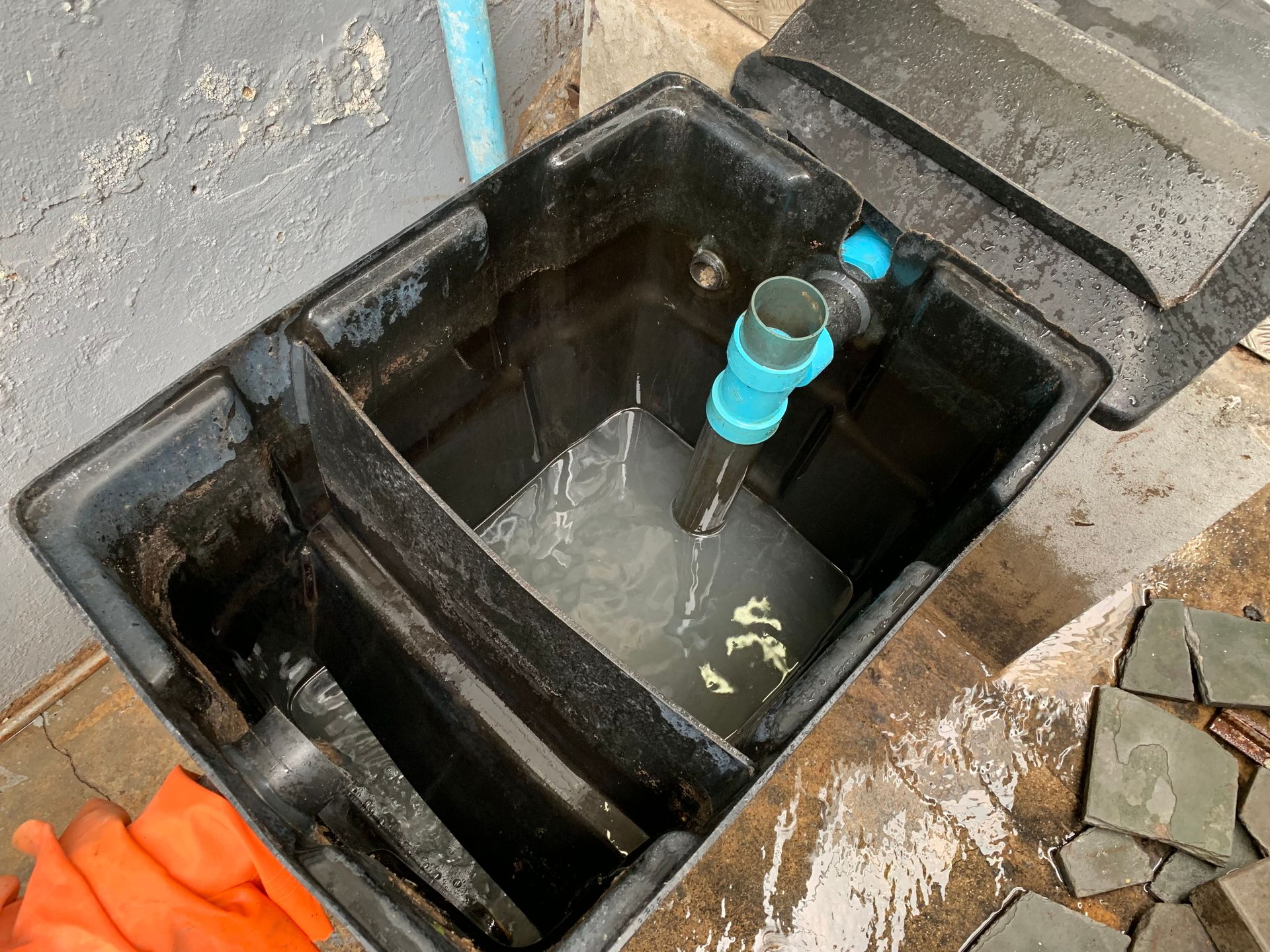
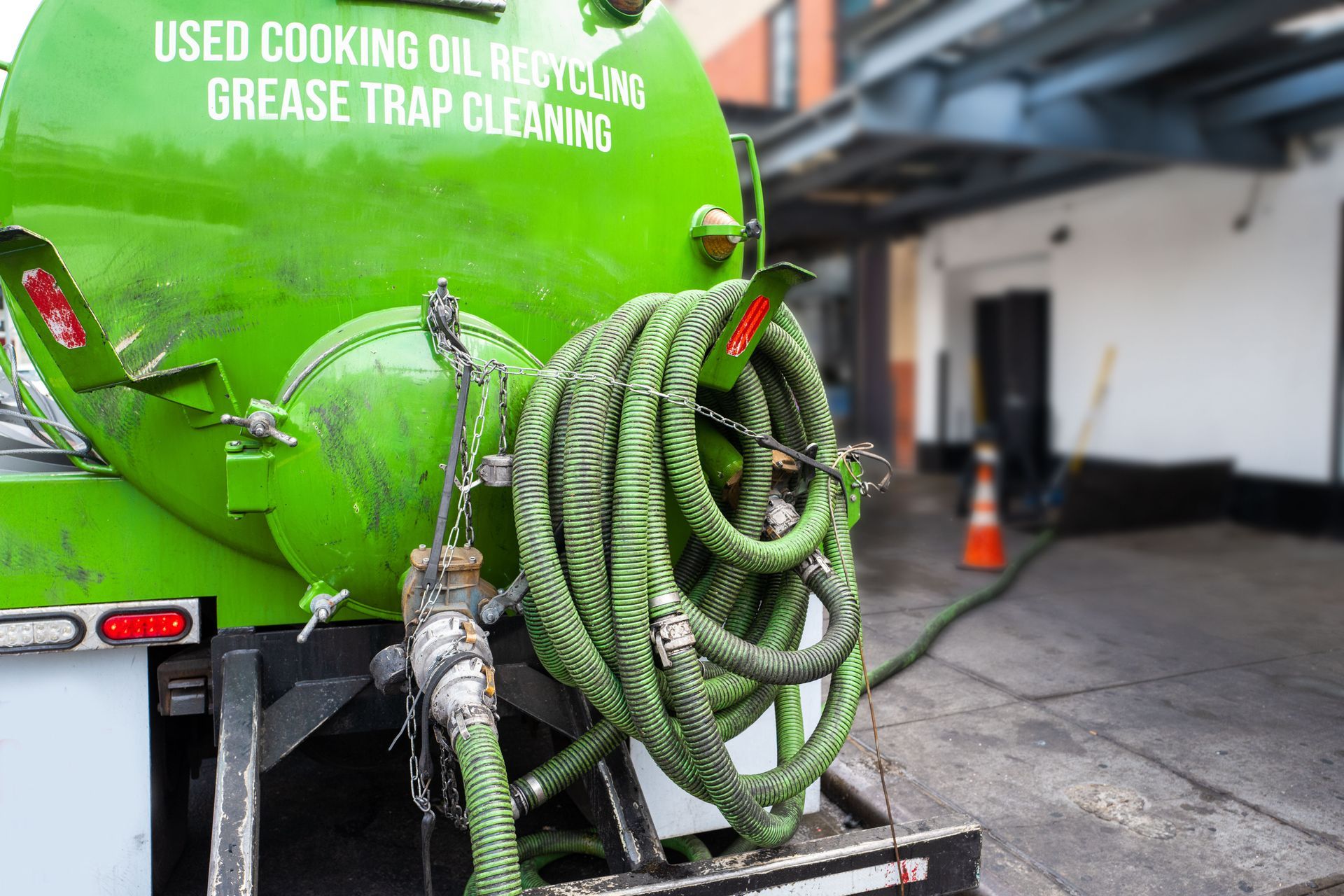
In addition to fryer safety, grease management throughout the kitchen matters. According to Wilson Heating and Air Conditioning, grease traps should be cleaned every one to three months, depending on kitchen size and grease production, to remain effective. This highlights how proper grease and oil maintenance supports both equipment performance and overall kitchen safety.
By maintaining clean commercial cooking oil and adhering to grease management schedules, operators reduce fire risks and create a safer workspace for staff.
Strain on Filtration and Drainage Systems
Modern fryers often include built-in filtration systems designed to extend oil life. However, excessively dirty oil can overwhelm these systems. When filters become clogged with debris, they lose effectiveness and may require frequent replacement.
If filtration is skipped during busy shifts, food particles remain suspended in the oil. These particles continue to cook and carbonize, accelerating oil breakdown. Over time, clogged filters reduce circulation and make it harder to remove contaminants.
Drainage lines can also become obstructed by hardened grease and sediment. This complicates oil disposal and increases labor time during cleaning routines. Routine filtration throughout the day removes food particles before they settle. Establishing a consistent oil management schedule protects filtration equipment and streamlines maintenance tasks.
Shortened Oil Life and Frequent Replacement
Ironically, neglecting oil maintenance often leads to more frequent oil replacement. When commercial cooking oil is not filtered regularly, contaminants accumulate quickly and accelerate oxidation and breakdown.
Frequent full oil changes increase supply costs and generate more waste. Disposing of large volumes of oil more often also raises recycling expenses. In contrast, proactive filtration and monitoring extend oil usability without sacrificing quality.
Testing oil quality with simple tools, such as test strips or digital meters, allows kitchen managers to determine the right time for replacement. Instead of changing oil based solely on appearance, data-driven decisions improve consistency and cost control. A structured approach to commercial cooking oil management supports both financial performance and food standards.
If you want to extend the life of your fryers, lower operating costs, and deliver consistently high-quality food, now is the time to review your oil management practices. Contact Brooks Grease Service Inc today to develop a plan that keeps your equipment running smoothly and your business performing at its best.