February 4, 2026
Grease traps are essential components of commercial kitchens and food establishments, designed to intercept greasy wastewater and prevent clogs in the sewer system. Neglecting regular maintenance can lead to unpleasant odors, costly repairs, and even health violations. Below, we'll identify the key signs that indicate your grease trap requires professional cleaning from a grease trap cleaning service. Understanding these signs is crucial for ensuring efficient kitchen operations and avoiding potential fines. By addressing these six grease trap issues proactively, businesses can maintain compliance and safeguard their investment.
1. Unpleasant Odors Emanating from Drains
Unpleasant odors from drains are often the first sign that a grease trap needs attention. When fats, oils, and grease (FOG) accumulate, they begin to decompose, producing foul smells. These odors can permeate the entire establishment, affecting both staff and customers. It's important to identify the source of the odor to address it effectively. Regular cleaning of grease traps can prevent the buildup of malodorous compounds.
The health implications of unpleasant smells include not only the potential for customer complaints but also the risk of health code violations. Persistent odors can indicate a deeper issue within the grease trap, such as a blockage or malfunction. Moreover, odors may signify that bacteria are thriving, posing a risk to health and safety. Addressing these issues promptly is essential for maintaining a safe environment. Utilizing services from a grease trap cleaning service can ensure that all underlying causes of odors are resolved.
While there are techniques to temporarily mask odors, they are not a long-term solution. Air fresheners and scented cleaning products might mask the scent, but they do not address the root cause. Some businesses attempt DIY odor solutions, but these are often less effective compared to professional services. According to the City of Raleigh, grease is responsible for 47% of sewer blockages and overflows, highlighting the importance of professional intervention. Choosing experts ensures that both the symptoms and causes of odors are managed effectively.
2. Slow Draining or Blocked Plumbing Fixtures
Slow drainage or blocked plumbing fixtures are clear indicators of grease trap issues. As grease accumulates, it can impede the flow of water, leading to backed-up sinks and drains. The presence of grease in pipes restricts water movement and increases the risk of clogs. Slow draining can disrupt kitchen operations and negatively impact business efficiency. It's crucial to address these issues swiftly to prevent further complications.
Identifying the plumbing fixtures most at risk requires a thorough inspection. Grease traps situated near high-usage areas, such as kitchens and prep sinks, are particularly susceptible to blockages. It's important to monitor these areas regularly and look for signs of reduced drainage efficiency. Temporary measures, such as using a plunger or chemical drain cleaners, can provide short-term relief. However, these solutions do not eliminate the root cause and could potentially damage plumbing infrastructure.
Delayed cleaning of grease traps can have severe consequences on plumbing systems. Over time, accumulated FOG can harden, causing permanent blockages that require costly repairs. Professional cleaning techniques can restore drainage efficiency by removing stubborn grease deposits. Technicians employ specialized equipment and methods to ensure thorough cleaning of grease traps and plumbing systems. Consistent maintenance by professionals can prevent issues before they escalate.
3. Overflowing Grease Trap
An overflowing grease trap presents an immediate problem that requires swift action. This issue often results from neglect or excessive accumulation of waste material. In the event of an overflow, it's essential to stop the water flow and minimize the damage to surrounding areas. Containing the spill and alerting a professional grease trap cleaning service should be prioritized. Quick response can limit long-term damage and financial repercussions.
Long-term damage from a grease trap overflow can include structural impairments and increased health risks. Prolonged exposure to grease water can damage flooring and contaminate surfaces. This can lead to costly repairs and pose a health hazard to employees and customers. The aftermath of an overflow might include mold growth, particularly if moisture is not adequately addressed. Understanding these risks underscores the importance of proactive maintenance.
Several factors contribute to grease trap overflow, including poor maintenance, incorrect sizing, and improper waste disposal. Businesses must ensure their grease traps are appropriately sized for their volume of wastewater. It's also crucial to educate staff on the importance of proper waste disposal practices. Preventive measures, such as regular inspections and cleanings, can avert future overflow incidents. Adhering to city and health codes on overflow management ensures compliance and avoids penalties.
4. Unusually High Maintenance Costs
Unusually high maintenance costs can signal underlying issues with grease trap management. Distinguishing between regular maintenance expenses and unexpected costs is essential for budget planning. Regular costs usually include routine cleaning, whereas unexpected expenses might indicate severe blockages or system failures. Consistent monitoring of expenses helps in identifying irregular patterns that necessitate interventions. Businesses should evaluate their maintenance strategies to optimize cost-effectiveness.
There are common misconceptions about cost-saving practices that might actually lead to increased expenses. Skipping regular cleanings or relying solely on DIY methods can result in more significant problems down the line. Investing in professional services may seem costly upfront, but it can prevent expensive repairs later. The cost-effectiveness of professional cleaning is evidenced by prolonged grease trap functionality and reduced emergency interventions. Business owners should consider these factors when devising maintenance plans.
Routine support from a grease trap cleaning service provides numerous benefits, including longevity and operational efficiency. Professional services offer comprehensive cleaning that DIY efforts might not achieve. Furthermore, experts can identify potential issues before they escalate, saving money in the long term. Cost-saving tips for ongoing maintenance include creating a cleaning schedule and training staff in best practices. With proper management, businesses can maintain a healthier, more efficient kitchen environment.
5. Visible Grease and FOG Accumulation
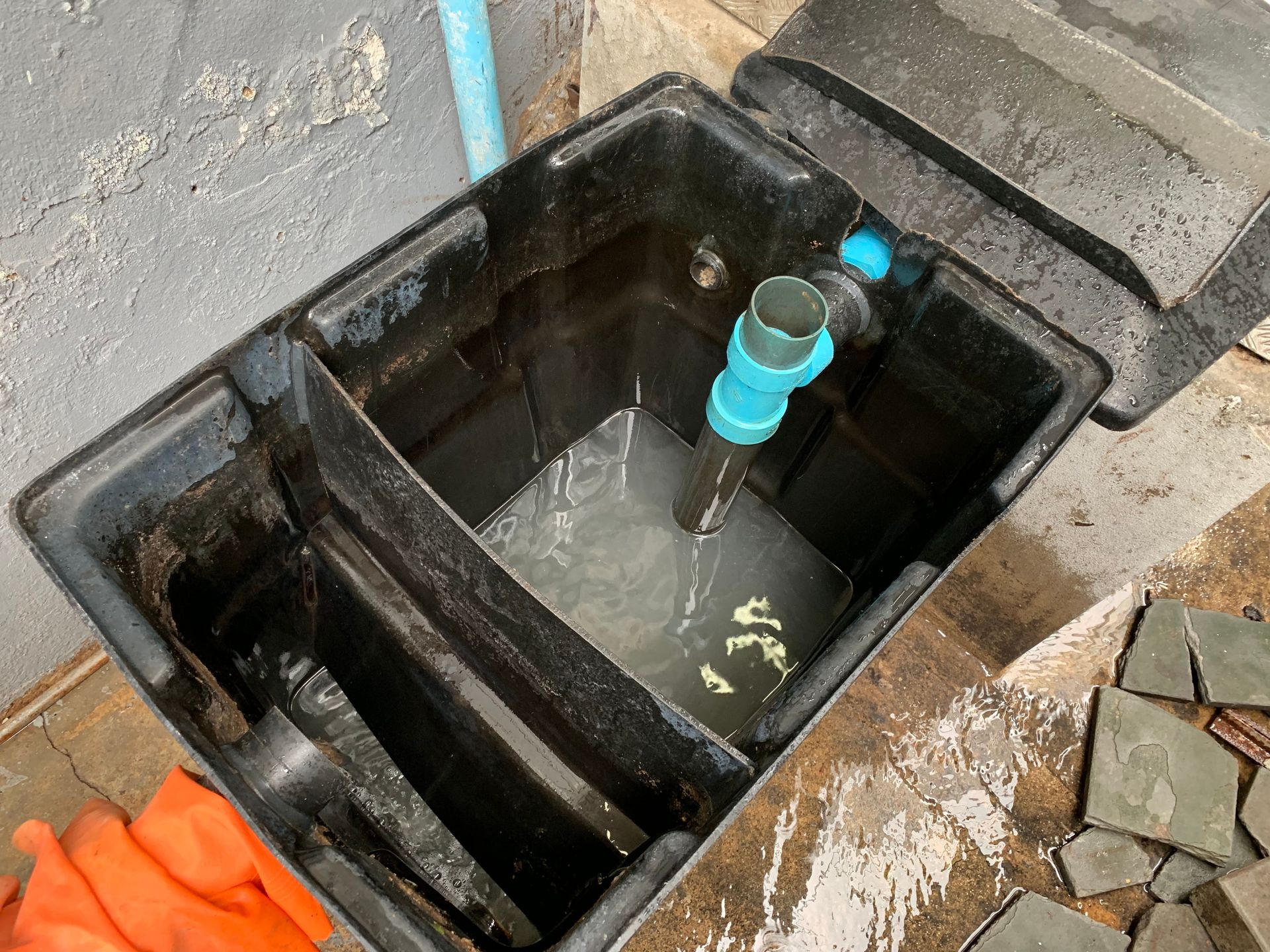
Visible grease and FOG accumulation are direct visual indicators of grease trap issues. These signs typically manifest as grease pooling around drains or excessive residue within the trap. Ignoring these indicators can lead to significant operational disruptions, as FOG buildup will eventually cause blockages. For business owners, immediate action is crucial to prevent escalating problems. Addressing visible accumulations swiftly can avert extensive damage and maintain operational efficiency.
The long-term effects of ignoring visible buildups include plumbing failures and increased maintenance costs. As grease continues to accumulate, it hardens and creates challenging blockages that are more difficult to remove. Failing to address buildups efficiently can lead to costly plumbing repairs and sanitation issues. Businesses may also face legal consequences if they violate health and safety regulations due to neglected grease management. It's essential to implement best practices to ensure grease trap cleanliness.
Understanding what FOG says about your system's health is critical for preventing grease trap issues. A well-maintained grease trap should efficiently separate FOG from wastewater, ensuring smooth operations. Comparing DIY cleaning and professional services highlights the advantages of expertise and specialized equipment. Professional cleaners have a deeper understanding of grease trap systems, leading to more effective cleaning. Choosing help from a grease trap cleaning service ensures that grease traps are managed thoroughly and consistently.
6. Frequent Health Code Violations Related to FOG
Frequent health code violations relating to FOG management can harm business operations significantly. Health codes require strict adherence to prevent contamination and maintain public safety. Understanding these requirements is fundamental to keeping a business compliant. Ignorance or negligence can lead to substantial penalties and even temporary closures. Business owners should educate themselves and staff on best practices for grease management to maintain compliance.
The impact of violations on business operations extends beyond fines, often affecting reputation and customer trust. Health code breaches can tarnish a business's image and deter potential customers. Additionally, repeated violations might lead to increased scrutiny from health inspectors and potential legal actions. Addressing non-compliance issues promptly through professional cleaning can help rebuild trust and ensure continuous operation. Consistent adherence to health codes is pivotal for long-term success.
Professional cleaning plays a crucial role in addressing violations by bringing grease traps up to code. Experts provide targeted solutions to eliminate FOG-related issues, ensuring systems operate within health guidelines. They also offer valuable advice on maintaining compliance and preventing future violations. Implementing recommended changes can lead to full health code compliance and uninterrupted business operations. Through professional guidance, businesses can achieve optimal FOG management and sustain regulatory adherence.
Regular maintenance and professional cleaning of grease traps not only ensures compliance with health codes but also protects the plumbing system from potential damage and reduces unpleasant odors. By recognizing these signs, businesses can maintain operational efficiency and avoid costly repairs. Engaging a professional grease trap cleaning service offers an effective solution, ensuring that grease traps are handled with expertise and care. With professional guidance, businesses can safeguard their operations and uphold industry standards. Investing in comprehensive grease trap management is essential for long-term success. Call Brooks Grease Service Inc today to learn more.