January 30, 2026
In busy commercial kitchens, daily operations often move too fast for behind-the-scenes systems to get much attention. One of the most overlooked components is the grease trap, even though it plays a direct role in keeping kitchens safe, compliant, and operational. When these systems are ignored, problems tend to surface quickly in the form of plumbing failures, health violations, or unexpected shutdowns.
Regular cleaning is not just a maintenance task; it is a foundational responsibility for food service operators. Consistent care supports sanitation standards, protects infrastructure, and helps businesses avoid disruptions that can be costly both financially and reputationally. Understanding how these systems work and why upkeep matters is the first step toward long-term compliance and operational stability.
Understand How Grease Traps Function in Commercial Kitchens
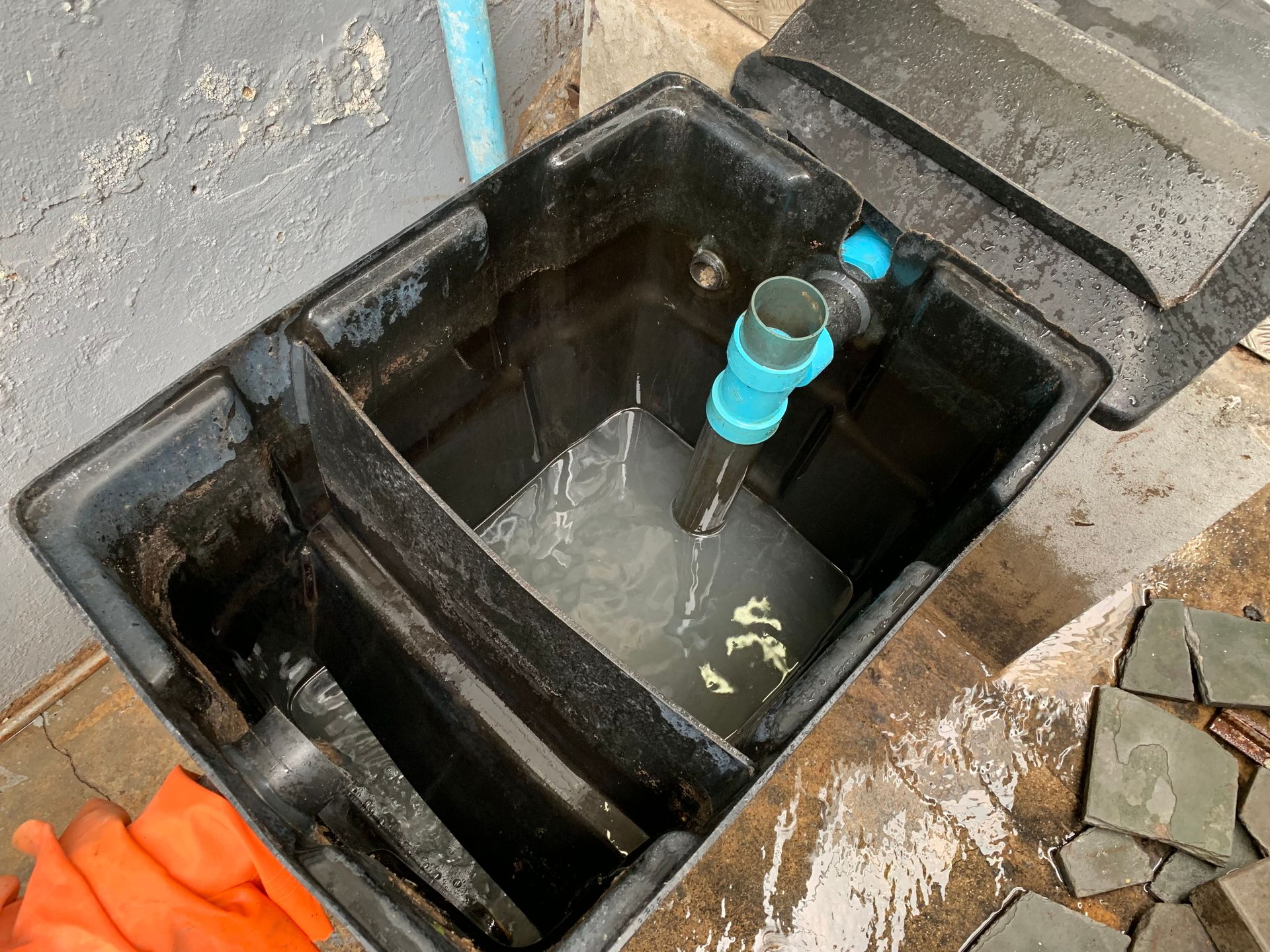
Grease traps are designed to intercept fats, oils, and grease before they enter plumbing and municipal sewer systems, acting as a first line of defense against buildup and blockages. As wastewater moves through the unit at a reduced flow rate, heavier food solids settle at the bottom while lighter grease materials float to the surface. This controlled separation allows relatively clean water to exit the system while retaining grease inside the trap. By slowing the movement of wastewater and relying on basic physical properties like temperature and density, grease traps prevent grease from cooling and hardening inside pipes, where it could otherwise restrict flow and cause backups.
When grease traps are functioning as intended, they protect both internal plumbing and public infrastructure from damage and disruption. Over time, however, trapped material accumulates and limits the system’s ability to separate waste efficiently. As capacity decreases, grease is more likely to pass through the unit, leading to odors, slow drainage, and potential overflows. Without routine cleaning, the system becomes less effective and more prone to failure, increasing operational risks. Proper maintenance restores full capacity, supports consistent performance, and ensures the trap continues to serve its intended role within a commercial kitchen environment.
Maintain Health and Safety Compliance Through Routine Cleaning
Health departments require food service establishments to manage grease waste responsibly to prevent unsanitary conditions and protect public health. Overflowing or poorly maintained grease traps can create environments where bacteria multiply, increasing the risk of cross-contamination in food preparation areas. As grease accumulates, it can also cause slow drainage and backups that expose staff and customers to wastewater, which poses serious health concerns. Persistent odors and pest activity are often early indicators that grease buildup has reached unsafe levels and that immediate cleaning is necessary to restore sanitary conditions.
Compliance expectations vary by jurisdiction, but the underlying goal remains consistent: prevent grease from entering sewer systems and food preparation spaces. Regular cleaning schedules, accurate service records, and documented inspections help demonstrate that a business is actively meeting regulatory requirements. Inspectors often review maintenance logs alongside physical conditions, making consistent documentation just as important as the cleaning itself. Establishments that take a proactive approach are far less likely to experience citations, fines, or forced operational interruptions, allowing them to maintain compliance without disrupting daily service.
Reduce Environmental Risks Caused by Grease Accumulation
When grease is not properly contained, it can move beyond the kitchen and into wastewater systems, where it contributes to blockages, backups, and overflows. These failures may force untreated or partially treated waste into local waterways, degrading water quality and disrupting natural ecosystems. Grease can coat pipes and infrastructure, making it harder for treatment facilities to operate efficiently and increasing the likelihood of system-wide issues. Even small lapses at individual food service locations can add up, creating widespread municipal challenges when multiple sources contribute to the same sewer network.
Maintaining grease traps helps limit environmental exposure while supporting broader sustainability and infrastructure protection efforts. Responsible grease management reduces the burden placed on wastewater treatment systems and lowers the risk of contamination events that can affect entire communities. According to IBISWORLD, the industry has faced notable financial pressure, as revenue was projected to decline at a compound annual rate of 7.1 percent to reach 2.1 billion dollars over the five years ending in 2024, including a 7.0 percent drop in the final year, which highlights why efficient, compliant operations matter more than ever.
Protect Plumbing Systems and Avoid Costly Disruptions
Plumbing emergencies are among the most expensive and disruptive issues a food service business can face, often occurring without warning and requiring immediate attention. Grease buildup is a leading cause of pipe blockages, sewer backups, and damage to connected equipment, especially in high-volume kitchens. When grease hardens inside pipes, it restricts flow and increases internal pressure, raising the risk of leaks or system failure. These incidents frequently result in emergency service calls, temporary closures, and extensive cleanup efforts that disrupt operations and negatively affect revenue and customer confidence.
Routine cleaning extends the life of plumbing systems by reducing corrosion, buildup, and mechanical strain on pipes and fixtures. Preventive maintenance allows grease traps to function efficiently, lowering the chance of unexpected failures that force kitchens offline during peak service hours. By maintaining grease traps on a consistent schedule, businesses can move away from costly reactive repairs and toward planned, manageable maintenance.
Strengthen Business Reputation and Operational Reliability
Clean, well-maintained facilities signal professionalism and accountability to regulators, customers, and staff. When inspections run smoothly and operations remain uninterrupted, businesses build a reputation for reliability. This perception can influence customer loyalty, employee confidence, and long-term viability in a competitive market.
Operational consistency also supports internal workflows. Staff are less likely to deal with foul odors, slow drains, or emergency shutdowns when maintenance is handled proactively. Over time, this stability contributes to smoother service, better morale, and fewer distractions from core business priorities.
Implement Practical Strategies for Effective Cleaning
Successful grease management starts with a realistic cleaning schedule based on kitchen output and usage patterns. Some operations require more frequent service due to volume, while others may follow a standard rotation. Monitoring accumulation levels and adjusting schedules accordingly ensures systems never reach a critical failure point.
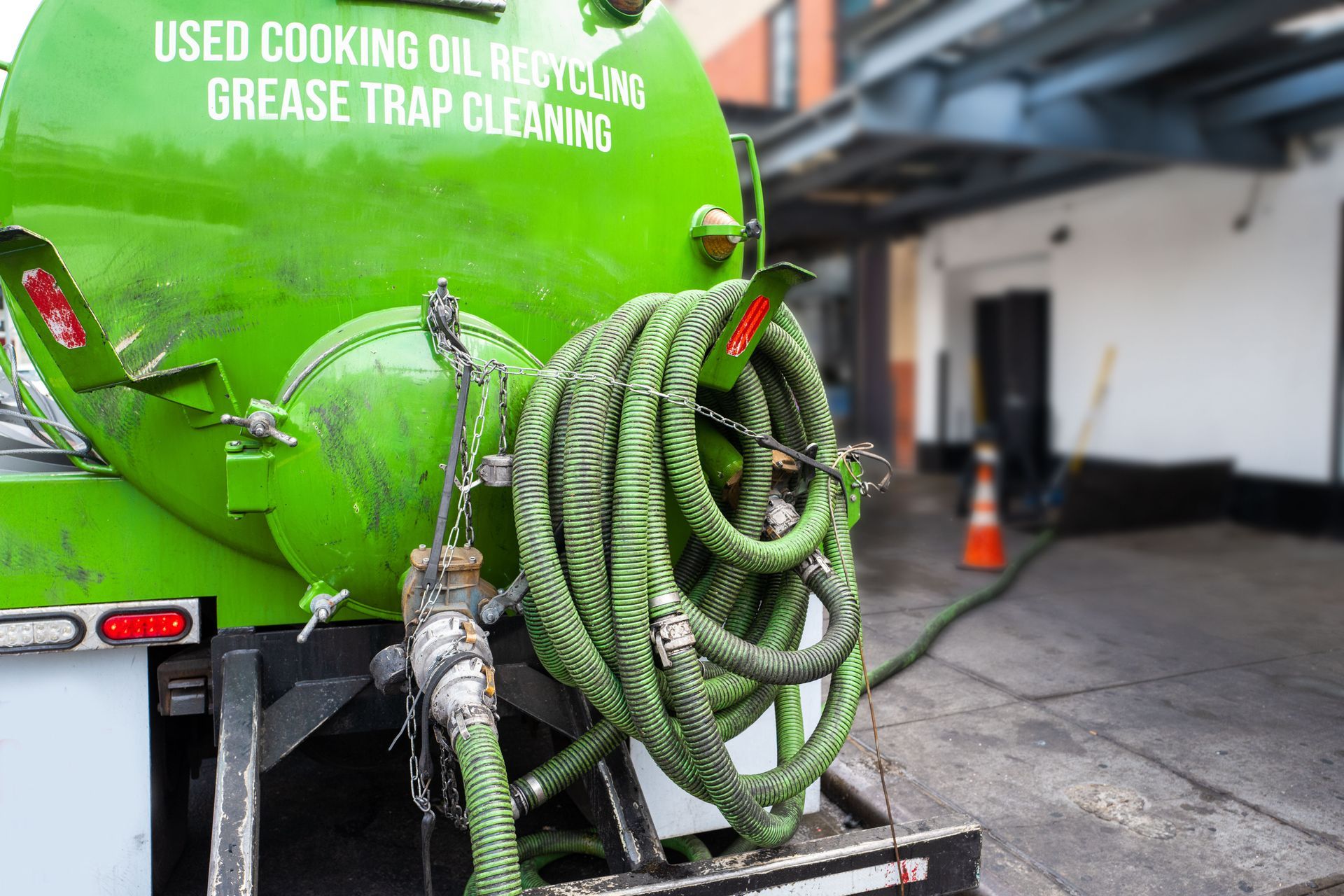
Professional service providers bring specialized equipment and proper disposal practices that meet regulatory expectations. While interim monitoring can be handled in-house, relying on trained technicians ensures thorough removal and accurate documentation. Keeping detailed service logs supports accountability and simplifies inspections by clearly demonstrating compliance efforts.
Leverage Technology to Improve Maintenance Outcomes
Advancements in monitoring and system design have made grease management more efficient than ever. Sensors and automated alerts help identify when service is needed, reducing guesswork and preventing overflows. Data collected over time can inform smarter scheduling and reduce unnecessary cleanings without sacrificing performance.
Modern designs also prioritize ease of access and improved separation efficiency. These innovations support cleaner operations and align with sustainability goals by reducing waste and resource use. Businesses that adopt updated solutions position themselves for long-term compliance and operational resilience.
Regular cleaning of grease traps is not a one-time task but an ongoing commitment that supports safety, compliance, and business continuity. When these systems are properly maintained, they protect plumbing infrastructure, reduce environmental impact, and help businesses meet regulatory expectations with confidence.
By prioritizing proactive service and informed maintenance strategies, food service operators can avoid disruptions and focus on delivering consistent quality. Contact us at Brooks Grease Service Inc today; we'll keep your systems running safely so you can run your kitchen worry-free.