December 29, 2025
Running a restaurant is no small feat. From managing the kitchen to ensuring customer satisfaction, the list of daily responsibilities can be overwhelming. One critical, yet often overlooked, aspect of restaurant maintenance is the grease trap. These systems are designed to capture fats, oils, and grease (FOG) before they enter the plumbing and municipal sewer system. When maintained properly, grease traps protect your kitchen from costly backups, prevent foul odors, and help you comply with local regulations. However, ignoring the health of your grease trap can lead to serious operational and financial consequences.
Many restaurant owners underestimate how quickly a grease trap can fill up or fail. With constant cooking and cleaning, fats, oils, and grease accumulate faster than one might expect. A clogged or malfunctioning grease trap not only affects your kitchen operations but can also result in plumbing emergencies, environmental fines, and health hazards. Identifying the warning signs early is crucial for maintaining a safe and efficient kitchen. Explore the top four signs that indicate your restaurant needs professional grease trap cleaning or maintenance to keep your kitchen running smoothly.
1. Slow Drains and Backups
One of the most obvious signs that your grease trap is struggling is slow drains. If sinks, dishwashers, or floor drains are taking longer to empty than usual, it’s likely due to FOG buildup. Grease solidifies as it cools, sticking to the interior walls of pipes and the grease trap itself. Over time, this can create blockages that slow water flow and increase the risk of backups.
Backups are not just inconvenient; they can halt kitchen operations entirely. Imagine a busy lunch service when the dish pit begins to flood because water cannot pass through a clogged grease trap. Such incidents create health hazards, disrupt service, and can result in significant repair costs. Catching these issues early can save both time and money, preventing emergency plumbing calls.
Even minor drainage issues should never be ignored. Continuous slow drainage signals that the grease trap is approaching capacity, and leaving it unchecked can lead to complete plumbing failures. Routine inspection and grease trap cleaning services ensure that your system functions properly and your kitchen stays operational.
Frequent slow drains may indicate that the grease trap’s size is inadequate for your restaurant’s volume. If you notice these issues repeatedly, it might be time to consult a professional to assess whether you need a larger trap or more frequent cleaning. A proactive approach can prevent major disruptions and maintain a smooth workflow.
2. Foul Odors in the Kitchen
Unpleasant smells wafting from your sinks or drains are another clear indicator of grease trap issues. Fats, oils, and grease that sit in a trap too long begin to decompose, producing foul odors. These smells can permeate your kitchen, dining area, and even the exterior of your restaurant, creating an unpleasant experience for staff and customers alike.
Odors are not merely a nuisance; they can indicate a deeper problem within your plumbing. Bacteria feeding on trapped grease produce gases that contribute to the smell, signaling that your system is no longer effectively handling FOG. Postponing professional grease trap cleaning may lead to more severe contamination and sanitation problems.
A smelly kitchen can also harm your restaurant’s reputation. Customers who notice persistent odors may associate them with poor hygiene practices, which could impact reviews and repeat business. Staff morale can also be affected, as working in an unpleasant environment is less enjoyable and potentially unsafe.
Professional grease trap services can resolve odor issues efficiently. Technicians can clean, inspect, and repair your grease trap, removing trapped FOG and restoring proper function. Regular maintenance not only eliminates odors but also extends the life of your plumbing system, ensuring a healthier kitchen environment for both staff and customers.
3. Frequent Repairs or Plumbing Issues
If your restaurant experiences repeated plumbing problems, it may be a sign that your grease trap is failing. Clogs and backups caused by grease buildup can stress your plumbing system, leading to recurring issues such as slow drains, burst pipes, or sewer line blockages. Constant repairs are not only costly but also disruptive to daily operations.
A malfunctioning grease trap can exacerbate these problems by allowing FOG to escape into the broader plumbing system. Over time, this can damage pipes and increase the risk of larger, more expensive failures. Ignoring these signs often leads to emergency service calls, which can be significantly more expensive than regular maintenance.
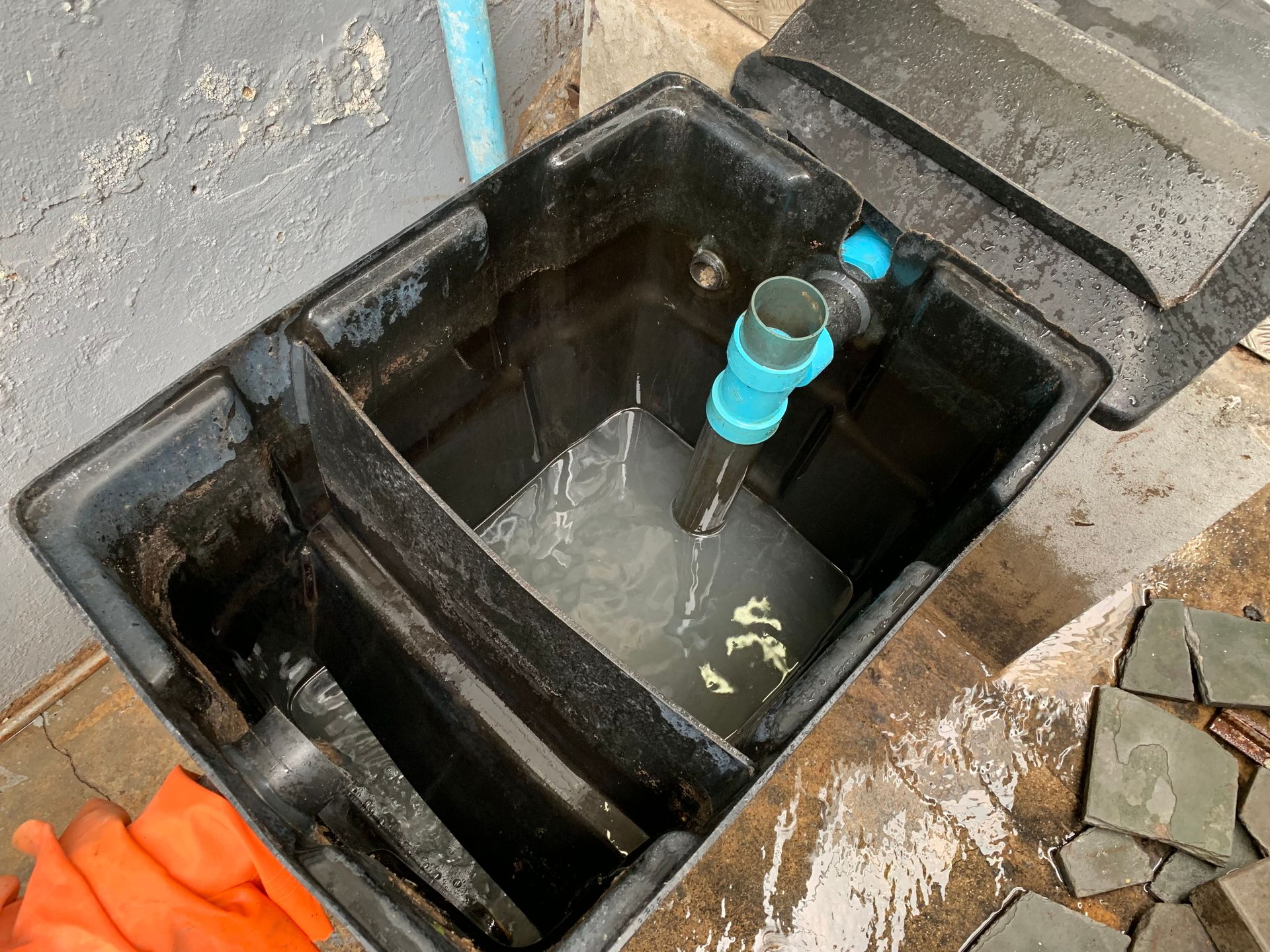
According to Citizens Energy Group, outdoor grease traps should be emptied once the volume of fats, oils, and grease (FOG) reaches 25% of the trap’s total depth. These grease trap cleaning guidelines can help ensure that your system operates efficiently and prevent minor issues from escalating into costly plumbing emergencies. Scheduling routine cleanings based on usage, rather than waiting for a problem, keeps your kitchen running smoothly.
Consulting a professional can help determine whether your grease trap is appropriately sized for your restaurant. Sometimes, recurring issues are a sign that your current trap cannot handle the volume of FOG your kitchen generates. In such cases, upgrading to a larger trap or implementing a more frequent cleaning schedule can solve long-term problems.
4. Visible Grease or FOG Overflow
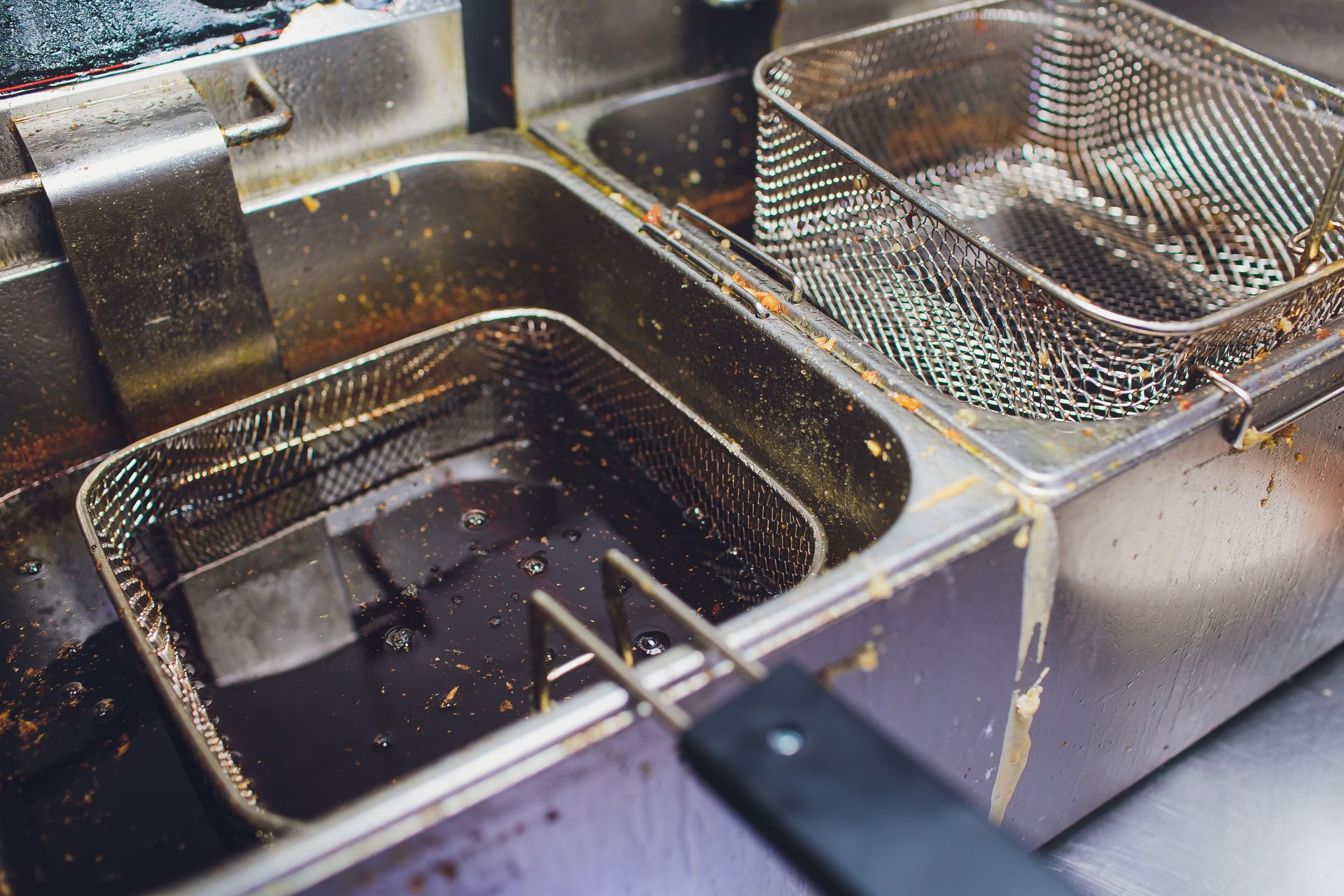
Perhaps the most alarming sign that you need grease trap maintenance is visible grease on kitchen surfaces, in drains, or around the trap itself. Overflow occurs when the trap can no longer hold FOG, allowing it to escape into sinks, floor drains, and plumbing lines. This not only creates unsanitary conditions but also violates local health and safety regulations.
Visible grease is dangerous for both staff and customers. Slippery floors caused by FOG buildup increase the risk of slips and falls, potentially resulting in serious injuries and liability claims. Overflowing grease can damage equipment, corrode plumbing, and attract pests, compounding health and safety risks.
Ignoring visible signs of overflow can lead to regulatory fines. Health departments and local municipalities often inspect restaurants for proper grease trap cleaning, and violations can result in penalties or even temporary closure. Maintaining your grease trap through regular services demonstrates compliance and a commitment to safe operations.
Proactive grease trap management involves more than just cleaning; it includes regular inspections to identify weak points, monitor FOG levels, and prevent future overflows. Professional service providers can advise on best practices, ensuring that your restaurant maintains a safe, sanitary, and legally compliant environment.
A properly functioning grease trap is essential for the smooth operation of any restaurant. Slow drains, foul odors, frequent plumbing issues, and visible grease are all clear indicators that your system needs attention. Postponing grease trap cleaning can lead to costly repairs, health hazards, and regulatory violations, ultimately affecting both your bottom line and reputation. By staying vigilant and responding to these signs promptly, restaurant owners can prevent minor problems from escalating into major disruptions that could affect daily operations and customer satisfaction.
Routine grease trap maintenance not only prevents emergencies but also promotes a safe, hygienic, and efficient kitchen environment. Regular inspections and professional grease trap cleaning can offer restaurant owners peace of mind, knowing their kitchen is compliant, safe, and operating at peak efficiency.
Don’t wait for a plumbing emergency. Call Brooks Grease Service Inc for reliable grease trap services to keep your kitchen clean, safe, and fully operational.