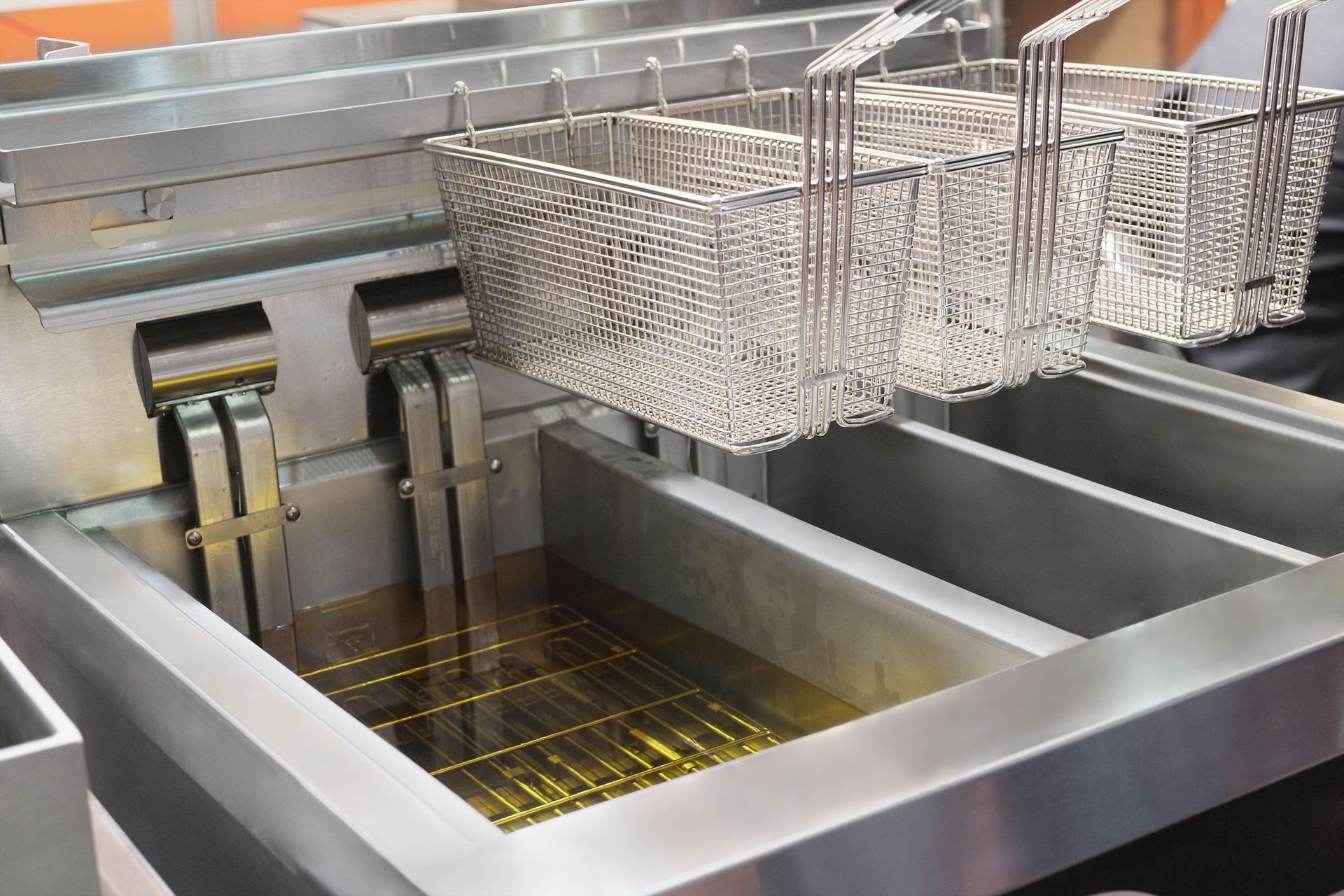
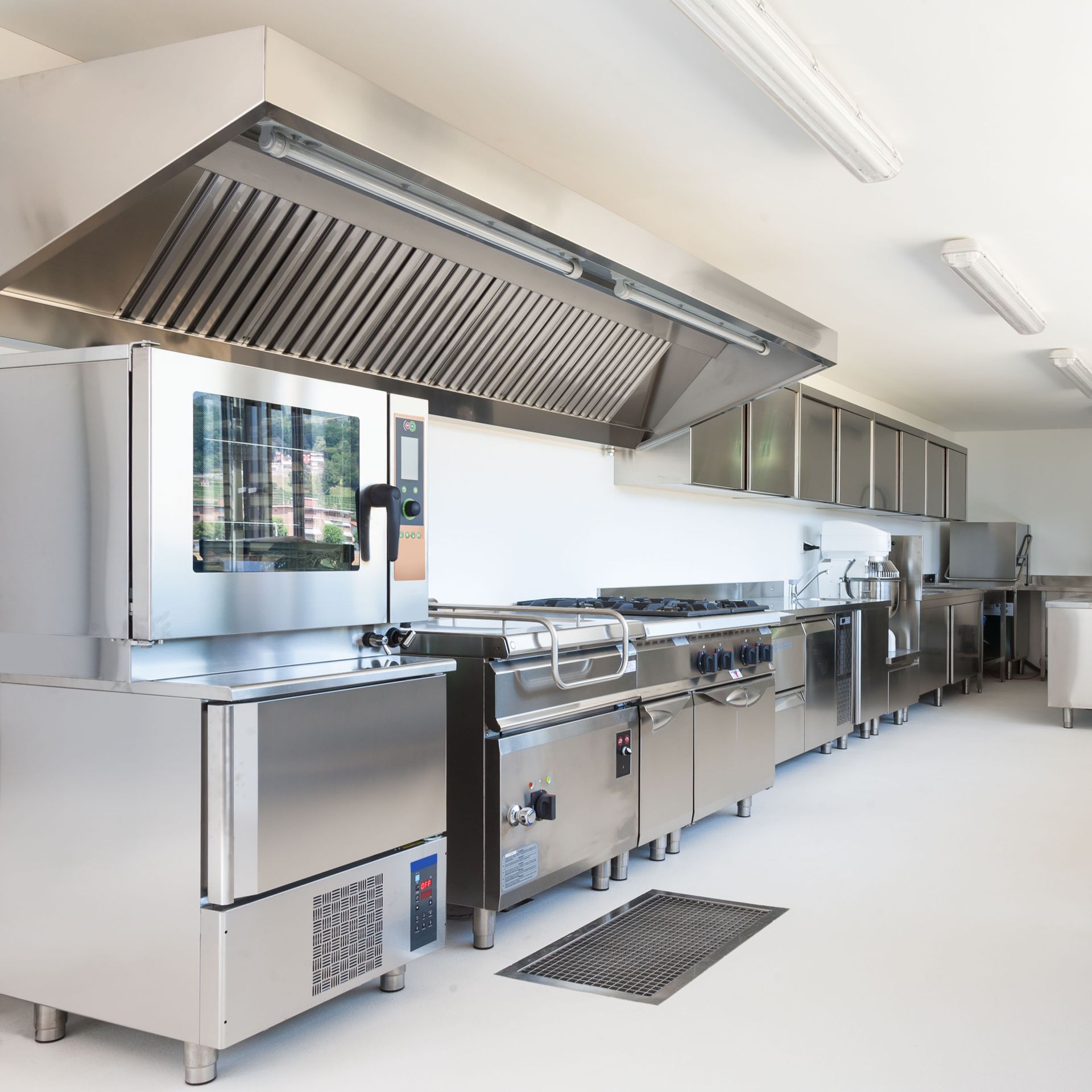
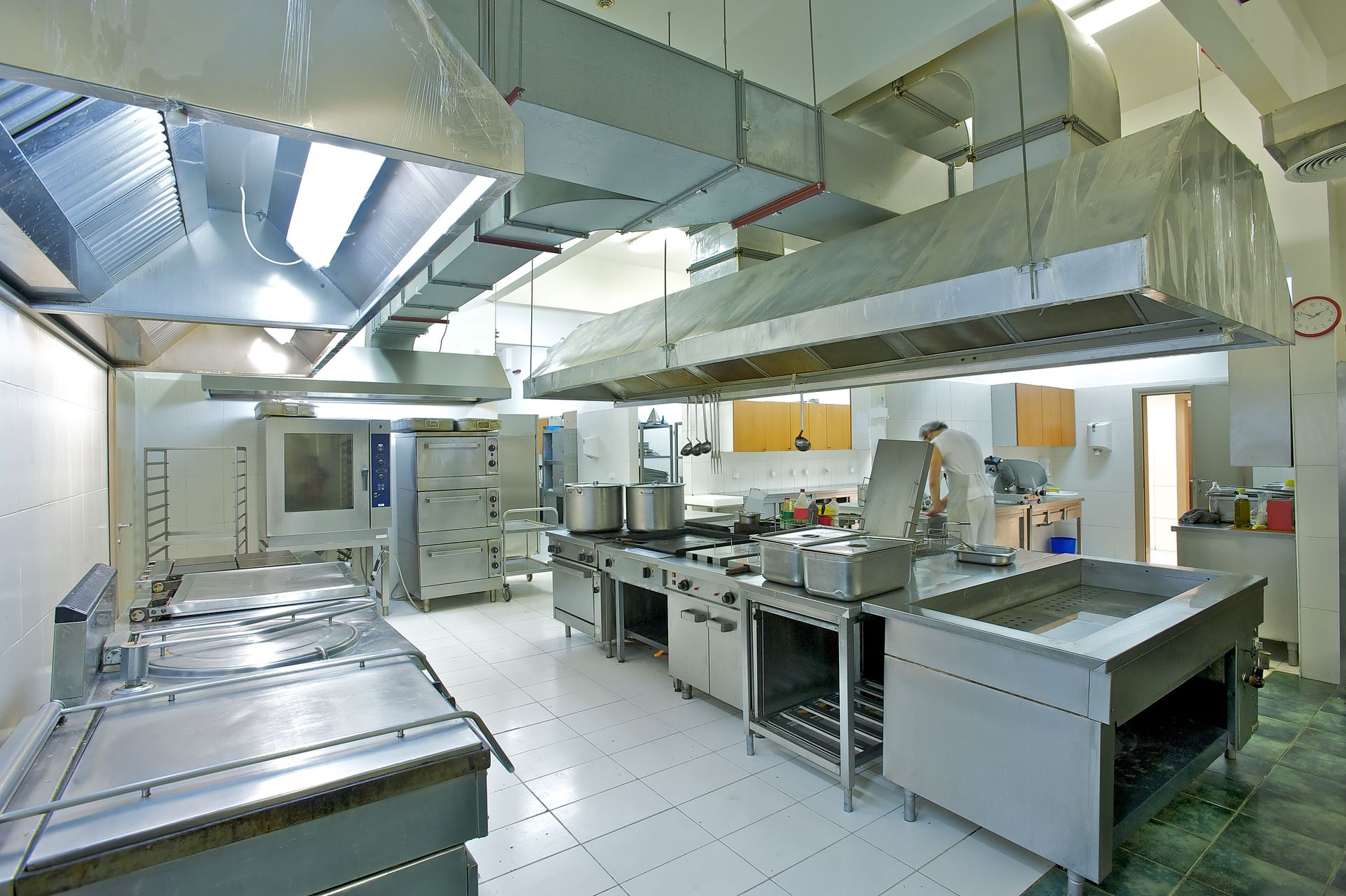
In both residential and commercial kitchens, the proper removal of grease is a critical component of effective management. It is essential for maintaining safety, ensuring the proper functioning of plumbing systems, and complying with health regulations. Without diligent grease management, kitchens are prone to complications that can affect both daily operations and long-term safety standards.
Grease removal plays a pivotal role in ensuring the smooth operation of drainage systems by preventing blockages and other expensive plumbing issues. These systems, if neglected, can lead to substantial repair costs and significant downtime for a business. Moreover, adherence to local regulations helps in avoiding potential fines, making it a crucial aspect of kitchen operation that cannot be overlooked.
One of the most important things to understand is that grease is not a simple liquid. It is a complex mixture of fats, oils, and food solids that change state as they cool. When you pour liquid fat down a drain, it quickly solidifies against the cold interior of the pipes, acting as a sticky adhesive for every other bit of debris that follows. By prioritizing professional grease management, you are preventing these structural disasters before they start.
Understanding Grease Composition and Its Impact on Drains
Grease in the kitchen primarily consists of fats, oils, and food particles that accumulate during the cooking process. These elements combine to form a semi-solid substance that is challenging to manage and potentially harmful to plumbing. Over time, layers of grease thicken within the pipes, leading to significant flow restrictions and eventual blockages.
The repercussions of unattended grease go beyond physical clogs; it also contributes to the corrosion and deterioration of pipes. This chemical reaction can compromise the integrity of the entire drainage system, resulting in costly infrastructure repairs or even the total replacement of affected plumbing. Proper grease removal at the source is the only way to prevent this slow-moving disaster.
Furthermore, the environmental impact of improper disposal is significant. When grease escapes the kitchen and enters the stormwater system, it can cause major ecological damage. It coats the gills of fish and prevents oxygen from entering the water, leading to the death of aquatic life. By implementing a rigorous removal strategy, you aren't just saving your pipes; you are protecting your local watershed and demonstrating corporate environmental responsibility.
Managing Grease Traps and Preventing Overflows
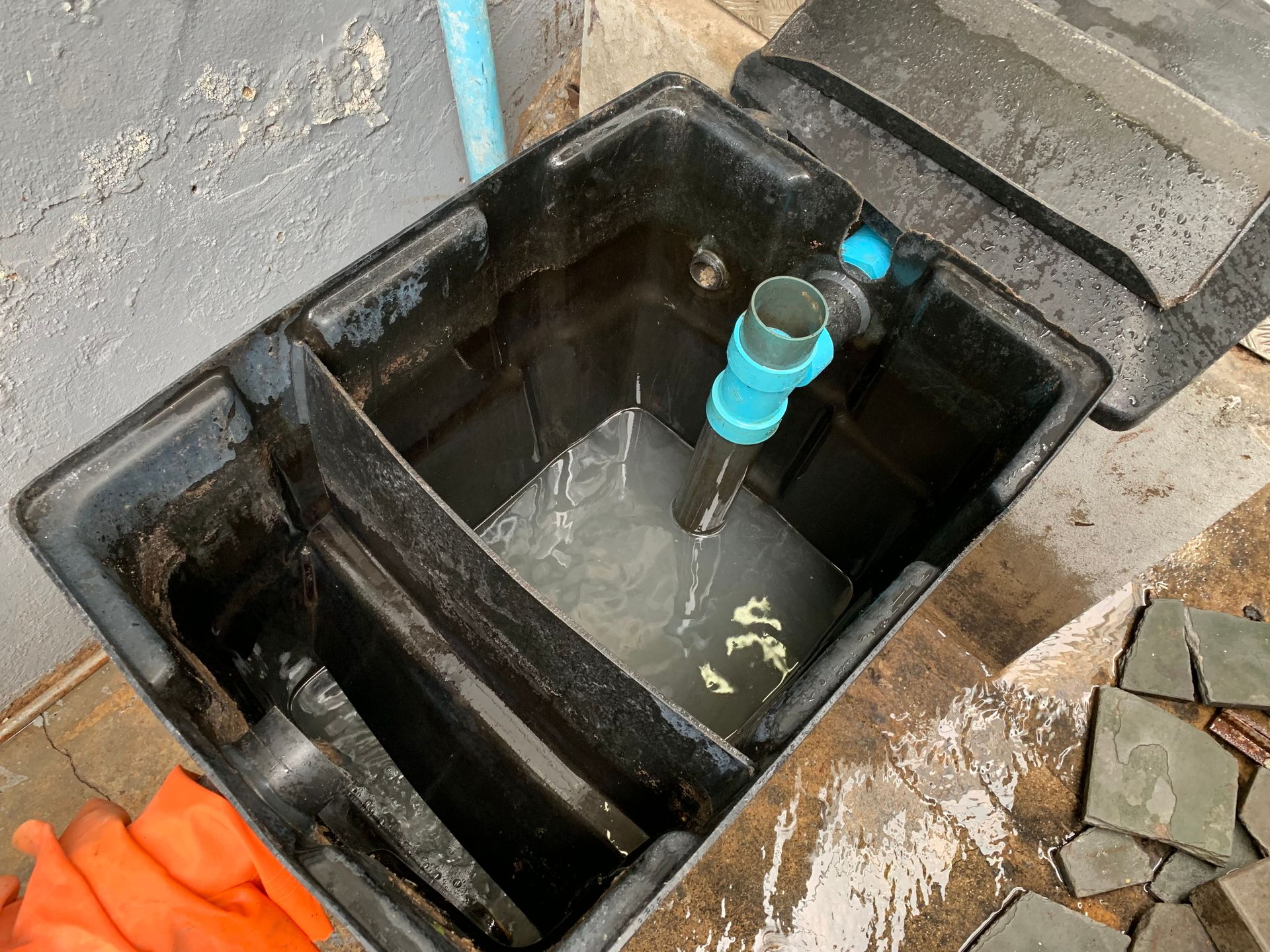
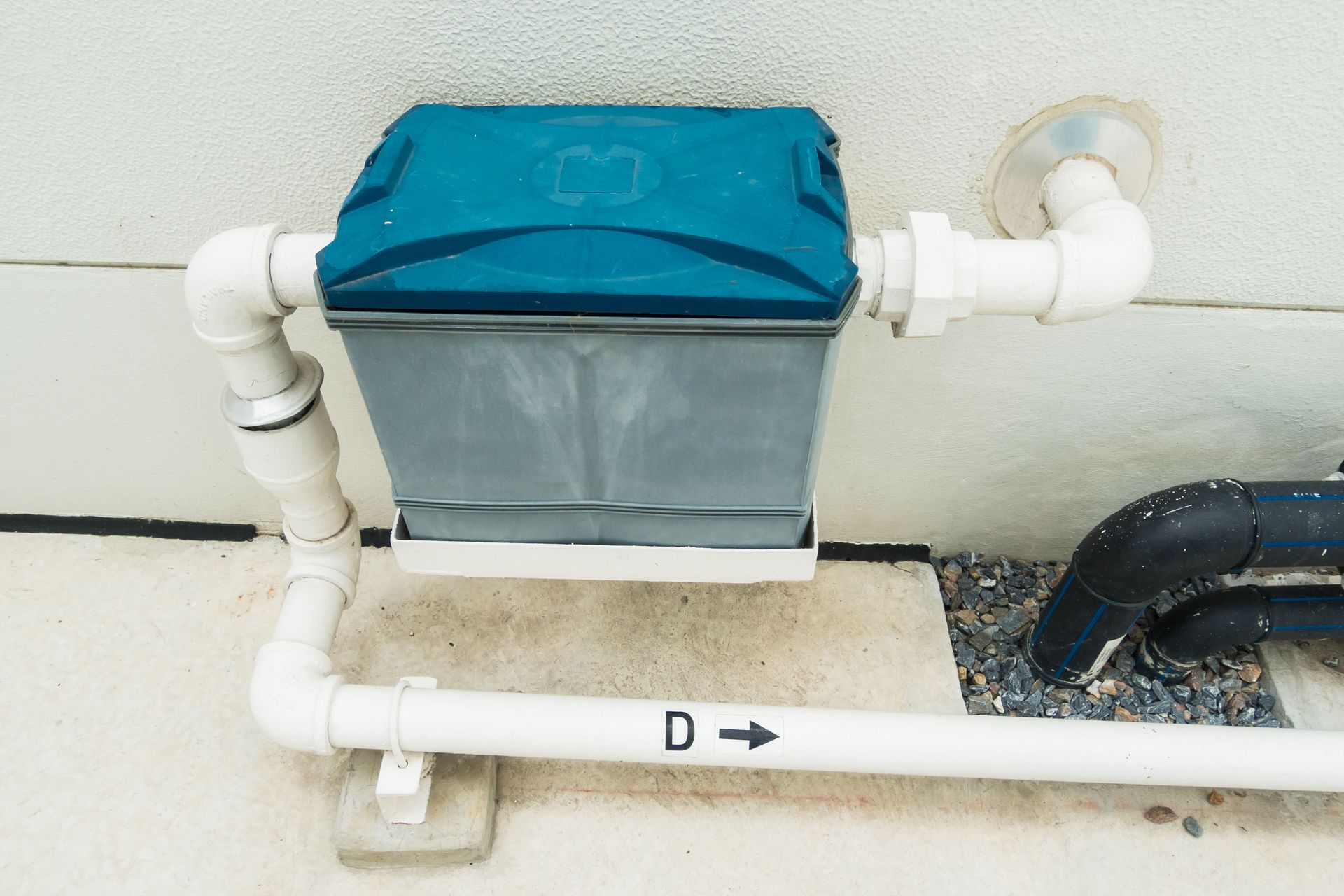
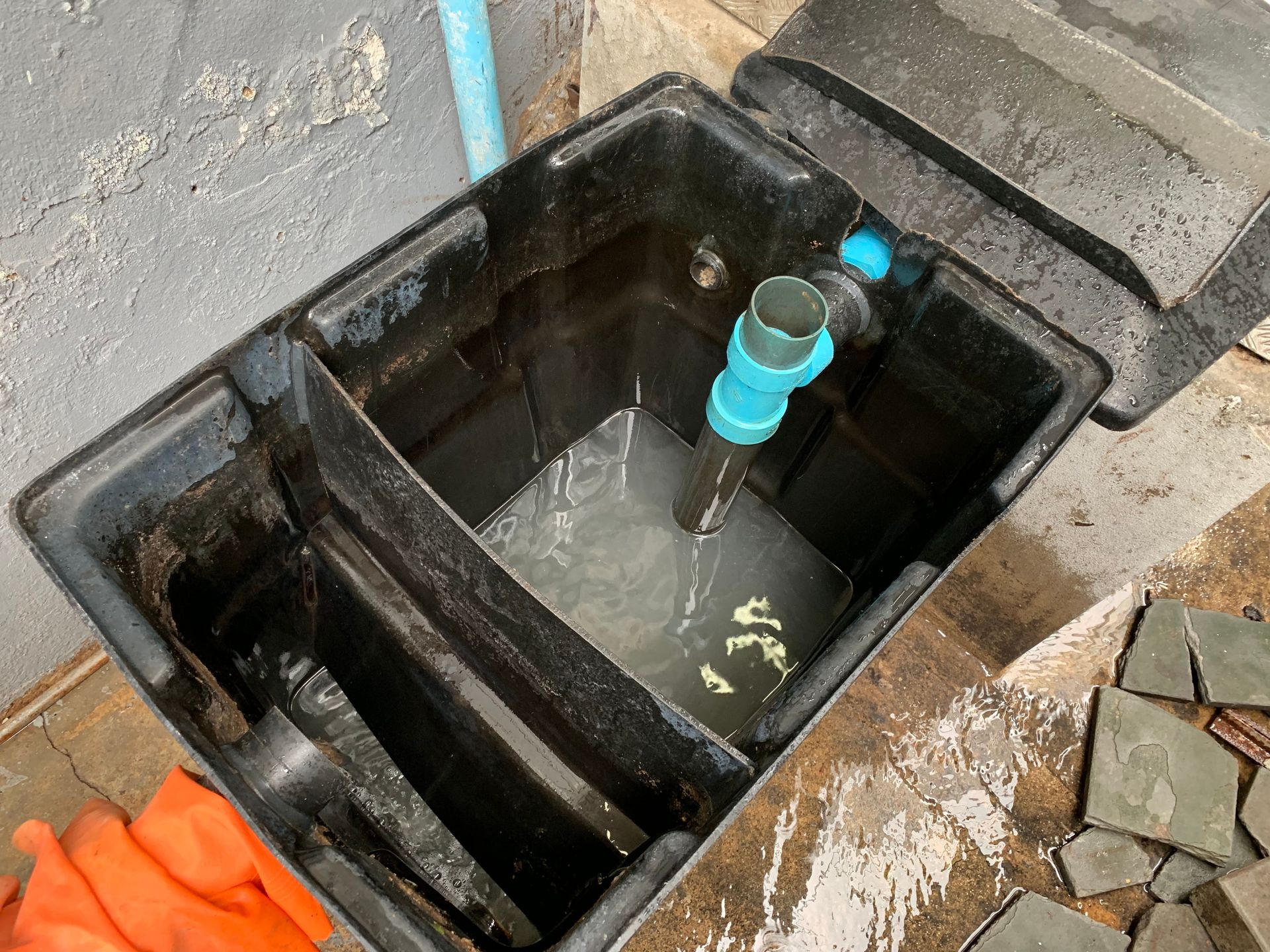
Grease traps and interceptors are designed to capture fats before they enter the municipal sewer system. These devices allow wastewater to cool, enabling grease to float to the surface, where it is trapped. However, these systems are not a "set and forget" solution; they require professional attention to remain functional and safe.
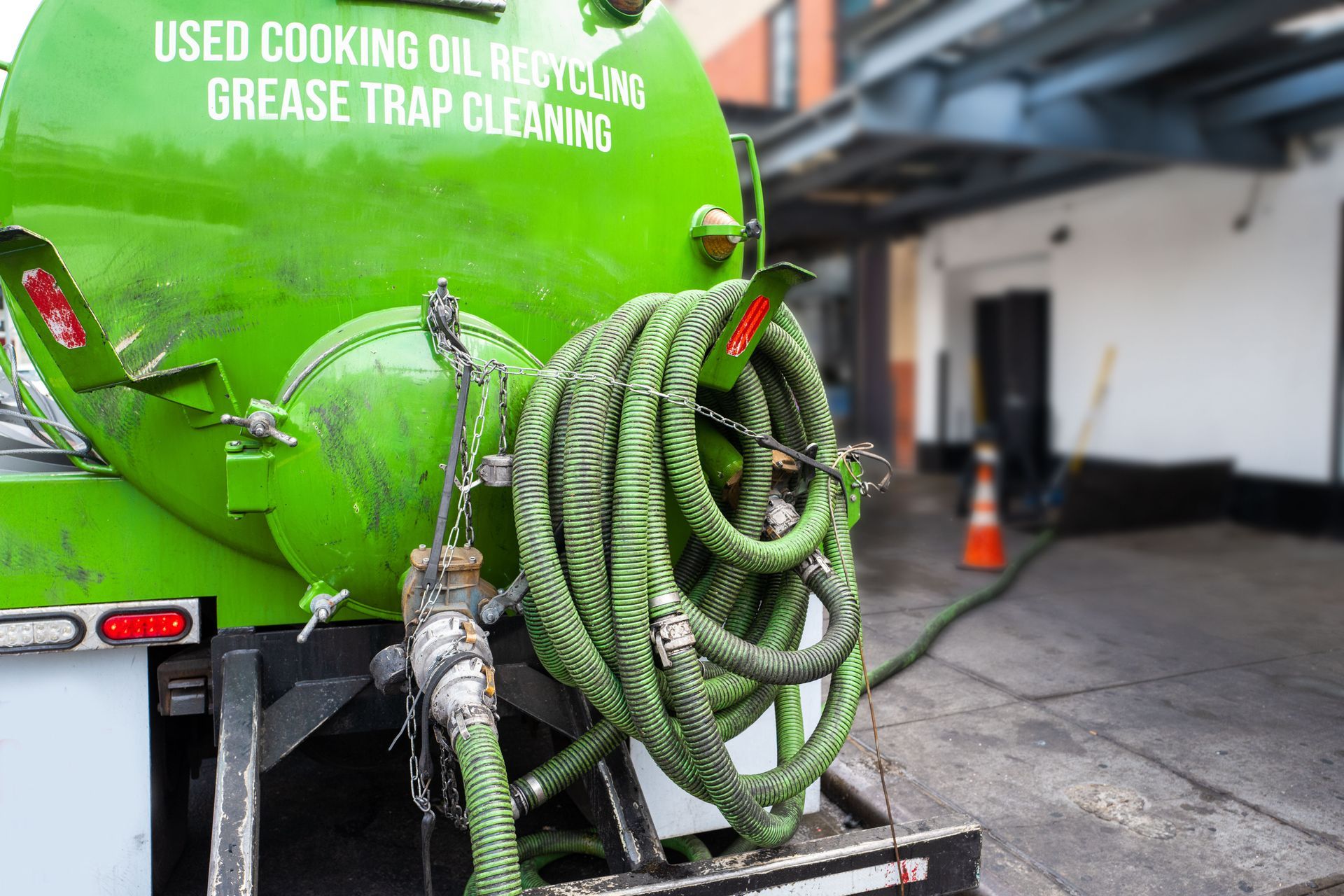
Infrequent maintenance is the leading cause of system failure in commercial environments. According to Wind River Environmental’s 2025 guide, grease-trap overflows are often caused by infrequent cleaning, with most traps needing pumping every 1 to 3 months, depending on kitchen volume. Neglecting these intervals can result in emergency plumbing situations that are both foul-smelling and highly disruptive to your business.
When a trap overflows, the cleanup process is extensive and often requires a complete shutdown of kitchen operations to meet health codes. The grease can seep into floor drains and back up into sinks, creating a bio hazard that puts your staff and customers at risk. Staying ahead of the 1 to 3 month pumping window is the most cost-effective way to ensure your doors stay open and your kitchen remains sanitary.
Adopting Best Practices and Handling Techniques
Efficient kitchen management begins with staff education and the implementation of best practice guidelines. Training your team to dispose of grease appropriately rather than washing it down the sink can mitigate buildup considerably. Collecting excess oils and fats in dedicated containers not only protects your plumbing but also allows the grease to be recycled for alternative uses like biofuel.
In addition to routine pumping, regular inspections for structural damage or internal clogs should be conducted. This preventive approach identifies potential issues before they escalate into serious problems. A combination of mindful daily habits and scheduled professional grease removal creates a comprehensive management plan that protects your property and the environment.
Another vital practice is "dry wiping" pots and pans before they hit the dish pit. By using a rubber scraper or paper towel to remove the bulk of the grease from cookware, you significantly reduce the load on your interceptor. This can often extend the time needed between professional pumpings and ensures that your trap doesn't hit its capacity prematurely during a high-volume shift.
Improving Health Standards and Kitchen Safety
Eliminating grease buildup is a critical factor in preventing kitchen fires. Grease is highly flammable, and accumulations in traps or ventilation hoods represent a significant hazard. Regular maintenance helps manage these risks, creating a safer working environment for everyone. Furthermore, keeping drainage systems clean prevents the proliferation of harmful bacteria and foul odors.
Effective grease removal also enhances the air quality within the kitchen. Proper grease capture ensures that ventilation systems can operate at peak efficiency, removing smoke and airborne particles without becoming clogged themselves. Maintaining these high standards of sanitation and safety is essential for any professional culinary environment looking to provide a superior experience for both staff and patrons.
Poorly managed grease is also a magnet for pests. Cockroaches and rodents are attracted to the organic material found in neglected grease traps, creating a secondary health crisis for your establishment. By keeping your system clean and clear, you remove the food source for these pests, helping you pass health inspections with flying colors and maintaining the high-quality reputation of your brand.
Implementing Innovative Technologies for Enhanced Monitoring
As we move further into 2026, the technology surrounding grease management continues to advance, offering owners more control than ever before. Many modern grease interceptors can now be equipped with digital sensors that monitor the "grease blanket" thickness in real-time. These sensors can send an alert directly to your smartphone or your service provider when the trap reaches 25% capacity, allowing for precision scheduling.
In addition to sensors, there are now biological additives—specifically engineered bacteria—that can be automatically dosed into the system. These microbes "eat" the grease, breaking it down into water and carbon dioxide. While this does not replace the need for physical pumping, it can significantly reduce odors and prevent the grease from hardening into difficult-to-remove scales on the pipe walls.
Investing in these innovative tools is a hallmark of a forward-thinking kitchen. They remove the guesswork from maintenance and provide a level of data that is invaluable for large-scale operations with multiple locations. By integrating technology with traditional grease removal methods, you create a fail-safe system that protects your infrastructure 24 hours a day, 7 days a week.
Taking a proactive stance on your kitchen's waste management allows you to control your environment rather than being controlled by it. When your drains are flowing freely, your staff is happier, your kitchen is safer, and your customers are better served. Don't let a hidden buildup of grease become the reason your business grinds to a halt—commit to a professional removal plan today.
Is your kitchen operating at peak safety, or is hidden grease buildup putting your plumbing at risk? Head over to Brooks Grease Service Inc's website to browse our full list of professional service options and see how our expert
grease removal solutions can keep your business running smoothly.