June 29, 2026
Running a restaurant involves more than delivering good food and fast service. Behind the scenes, kitchen waste management plays a major role in keeping operations compliant, efficient, and safe. One of the most important but often overlooked aspects of this system is grease management, especially proper grease removal from kitchen drains, interceptors, and traps.
Grease buildup from cooking oils, fats, and food scraps can quickly create blockages in plumbing systems, leading to costly downtime and sanitation issues. When handled correctly, grease removals help maintain smooth kitchen operations and reduce environmental impact. When ignored, they can create regulatory violations and health hazards that threaten a business’s reputation.
According to Industry Research’s 2025 grease-traps market outlook, over 1 million US restaurants and foodservice outlets nationwide are required by regulations to manage FOG, which includes fats, oils, and grease produced during food preparation. This scale of regulation highlights just how critical structured grease removals are in the foodservice industry.
Understanding how grease behaves, how it should be managed, and what systems are required can help restaurant owners avoid disruptions and maintain compliance.
Why Grease Removal Is Critical for Restaurants
Grease is one of the most persistent byproducts in any commercial kitchen. When hot, it flows easily through pipes, but as it cools, it solidifies and clings to pipe walls. Over time, this buildup narrows drainage pathways and eventually leads to full blockages.
Effective grease removals are critical because they prevent these blockages before they become emergencies. Without regular maintenance, restaurants can experience sink backups, foul odors, and even sewage overflow into kitchen areas. These issues not only interrupt service but can also force temporary closures.
In addition to operational risks, improper grease handling can lead to violations of local wastewater regulations. Municipal systems are not designed to process large amounts of FOG, which is why restaurants are typically required to install grease traps or interceptors.
Consistent grease removals also support equipment longevity. Plumbing systems, dishwashers, and floor drains all benefit from reduced grease accumulation. Over time, this lowers maintenance costs and minimizes emergency repair needs, which can be significantly more expensive than scheduled cleaning.
What Are the Best Methods for Grease Removal?
There are several approaches to managing grease in commercial kitchens, and the best solution often depends on the size of the operation and local regulatory requirements.
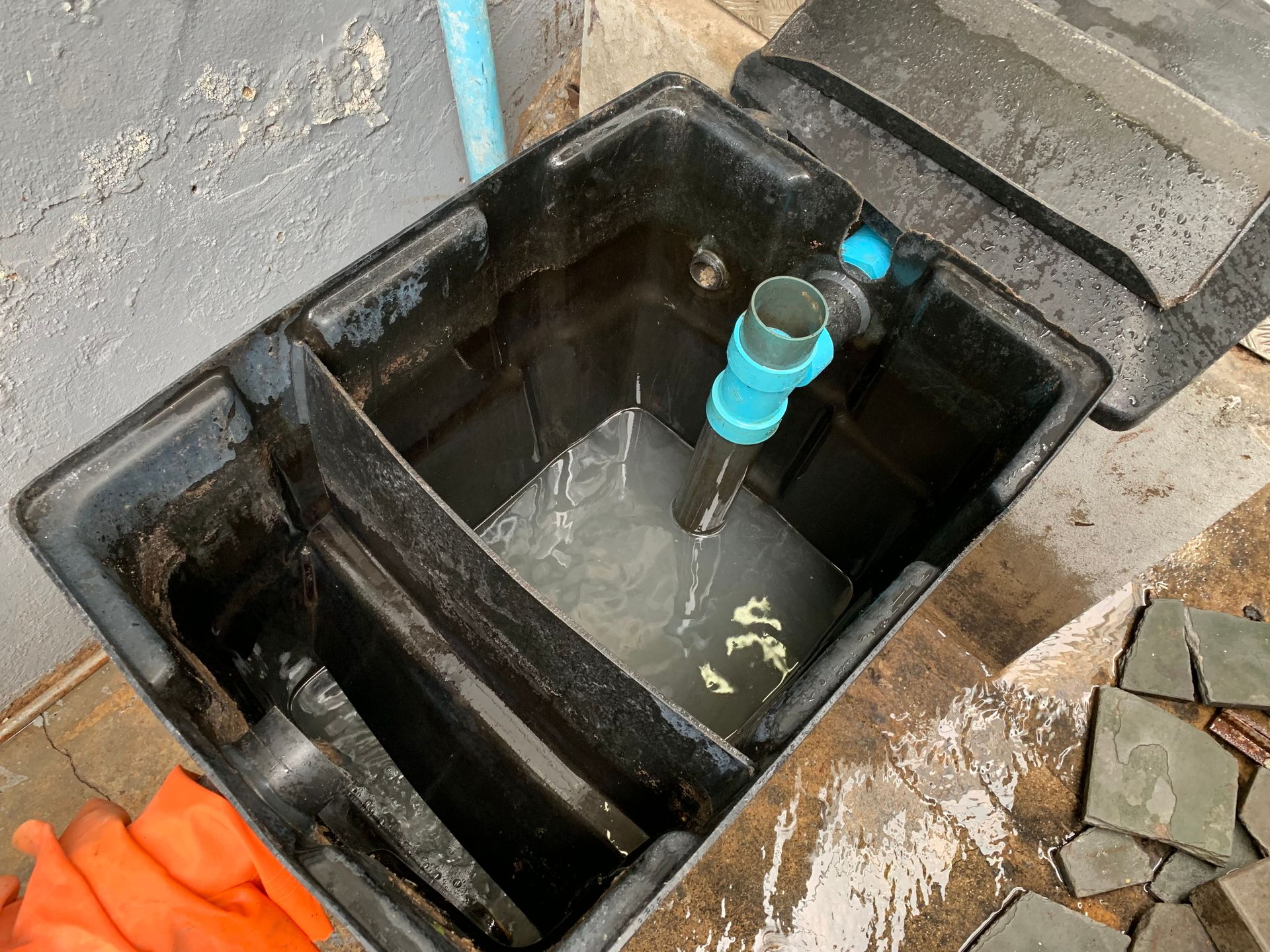
The most common method involves grease traps or interceptors installed directly into the plumbing system. These devices capture grease before it enters the wastewater system. Once collected, the grease must be removed regularly through professional servicing.
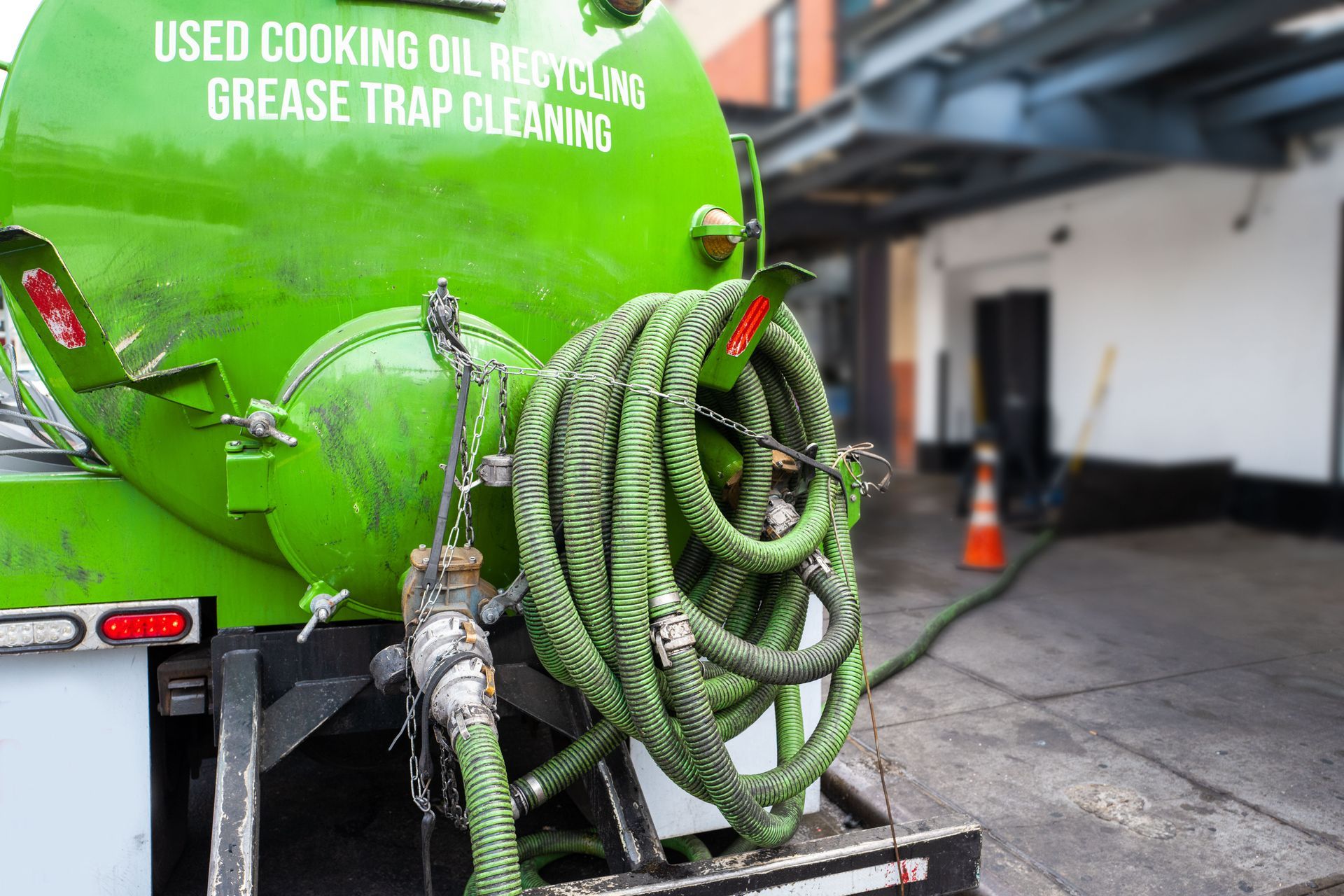
Professional grease removals typically involve pumping out accumulated FOG, scraping hardened buildup, and cleaning internal trap components. This ensures the system continues functioning at optimal capacity. Many restaurants schedule these services regularly to avoid overflow.
Some operations also use enzyme-based treatments that break down grease biologically. While these can help slow buildup, they do not replace physical removal. Instead, they act as a supplemental measure to extend the time between servicing.
In larger kitchens, automated grease recovery units are sometimes used. These systems continuously separate grease from wastewater, reducing the frequency of manual intervention. However, even these systems still require periodic grease removals to remain effective.
Choosing the right method depends on kitchen volume, menu type, and compliance requirements, but all approaches rely on consistent removal practices to function properly.
How Often Should Grease Traps Be Cleaned?
Frequency is one of the most important factors in effective grease management. A common rule in the industry is that grease traps should be cleaned when they reach approximately 25% capacity. However, this threshold can vary depending on kitchen output and operational intensity. In practice, even small shifts in menu type or peak-hour demand can change how quickly fats, oils, and grease accumulate, making rigid schedules less reliable than performance-based monitoring.
High-volume restaurants often require weekly or biweekly grease removals due to rapid accumulation. Smaller establishments may only need monthly service. The key is consistency and monitoring rather than waiting for visible problems. Many operators underestimate how quickly buildup occurs during busy seasons, especially when fryers and sauté stations are running continuously.
Neglecting scheduled grease removals can lead to overflow, which allows grease to bypass the trap and enter municipal sewer systems. Once this happens, blockages can form deeper within the plumbing network, making repairs more complicated and expensive. In some cases, these issues extend beyond the restaurant itself and contribute to larger municipal sewer disruptions that are far more costly to resolve.
Routine inspections help determine the ideal cleaning schedule. Many service providers also document grease levels during each visit, helping restaurant owners adjust frequency based on real usage patterns rather than estimates. This kind of tracking becomes especially valuable for multi-location operators who need consistent standards across different kitchen volumes and layouts.
What Are the Environmental Risks of Improper Grease Disposal?
Improper grease disposal creates significant environmental and infrastructure challenges. When grease enters wastewater systems, it can solidify and combine with other debris to form large blockages commonly known as “fatbergs.” These blockages can damage municipal sewer systems and require costly removal efforts.
Beyond infrastructure damage, uncontrolled grease discharge can also contaminate water sources. Excess FOG in waterways reduces oxygen levels, which can harm aquatic ecosystems and disrupt natural habitats.
This is why regulatory agencies place strict requirements on commercial kitchens. Proper grease removals help prevent environmental contamination by ensuring that FOG is captured and disposed of through approved waste processing channels.
Restaurants that fail to manage grease responsibly may face fines, penalties, or increased inspection frequency. In severe cases, repeated violations can result in forced closure.
By maintaining structured grease removals, restaurants not only protect their own operations but also contribute to broader environmental protection efforts. Responsible disposal practices reduce strain on public infrastructure and support healthier water systems overall.
How to Choose the Right Grease Removal Service
Selecting a reliable service provider is essential for maintaining compliance and operational stability. Not all providers offer the same level of service, so restaurant owners should evaluate experience, consistency, and documentation practices.
A strong grease removal service will provide scheduled maintenance, emergency response options, and detailed reporting after each visit. Documentation is especially important for regulatory compliance, as inspectors often require proof of routine maintenance.
Experience in commercial kitchen environments is also important. Providers familiar with restaurant operations understand peak hours, sanitation requirements, and access limitations. This allows grease removals to be performed efficiently without disrupting service.
Cost should be considered alongside reliability. While lower-cost services may seem appealing, inconsistent or incomplete grease removals can lead to more expensive issues down the line. The goal is to find a balance between affordability and dependable performance.
Some providers also offer waste recycling programs, where collected grease is repurposed into biodiesel or other renewable products. This adds an environmental benefit while ensuring compliance with disposal regulations.
Ultimately, the right service provider acts as a partner in maintaining kitchen safety, efficiency, and regulatory compliance.
Grease management is a foundational part of restaurant operations that often goes unnoticed until problems arise. Consistent
grease removals help prevent plumbing failures, reduce environmental impact, and ensure compliance with regulatory standards.
From choosing the right equipment to scheduling regular maintenance, every aspect of grease control plays a role in long-term operational success. Restaurants that prioritize structured grease removals are better positioned to avoid disruptions and maintain smooth daily operations.
As regulations continue to tighten and environmental awareness increases, the importance of proper grease handling will only grow. Establishing a reliable system today helps prevent costly issues tomorrow, while supporting safer and more sustainable foodservice practices. If you're looking for reliable grease removal, reach out to the team at Brooks Grease Service Inc today