June 29, 2026
Grease traps are a critical component in both commercial and industrial kitchen settings. Their primary function is to separate fats, oils, and grease (FOG) from wastewater, preventing them from entering the municipal sewage system where they could cause significant issues. Regular maintenance of these grease traps is pivotal not only for smooth operational functioning but also to adhere to local and federal compliance standards. Failure to schedule regular cleanings could lead to serious problems such as environmental harm, plumbing disasters, and hefty fines. This article explores why a scheduled grease trap cleaning service is essential for both regulatory compliance and business operations.
The Function of Grease Traps
Understanding Grease Trap Design
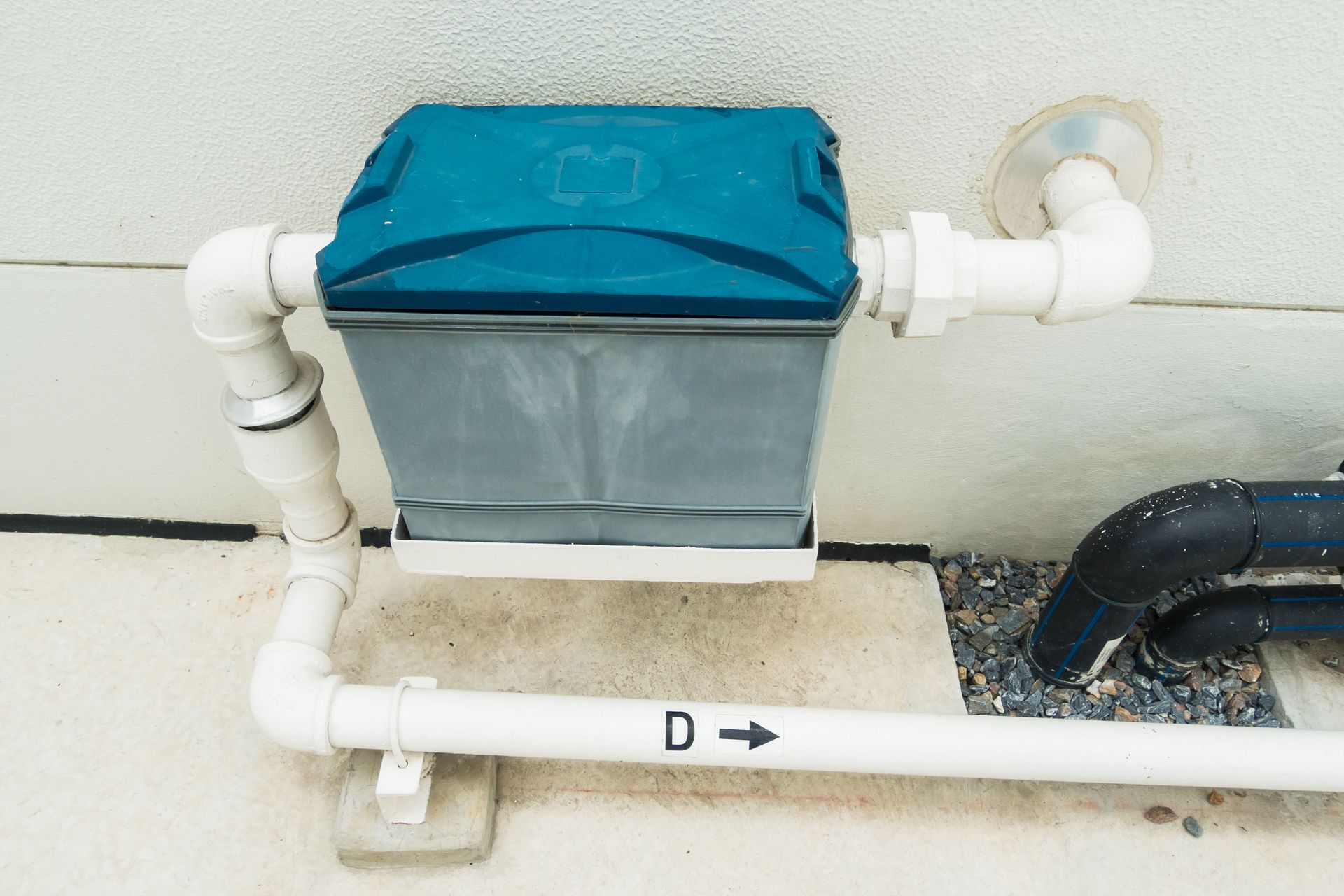
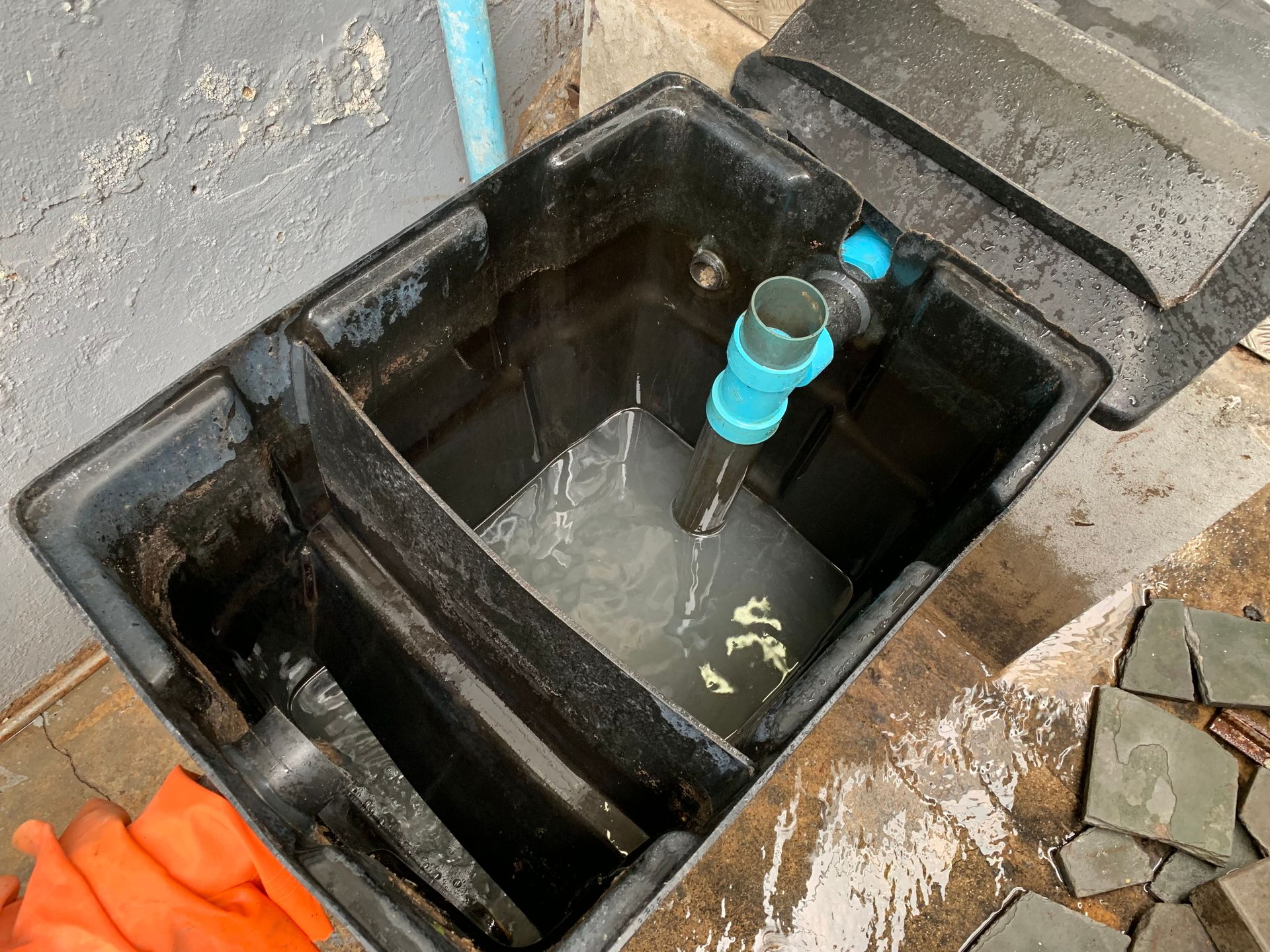
Grease traps are engineered with a simple yet effective design that captures FOG while allowing cleaner water to proceed to sewage systems. They use a series of baffles to slow down the flow of water, allowing FOG to rise to the surface. This stratification process is efficient, but it requires regular oversight to maintain peak performance levels. Regular scheduled cleaning ensures that the trap's functionality is not compromised, ultimately aiding it in working effectively. Traps should be cleaned when 25% of their volume is occupied by grease, according to the Certified Commercial Property Inspectors Association, reinforcing the need for systematic maintenance.
Role in Waste Management
In the waste management system, grease traps hold a pivotal role in preventing main sewer lines from clogging. By intercepting these at the source, they restrict their buildup in pipelines, which could otherwise lead to massive blockages. These blockages can cause significant disruptions not only within the immediate facility but also can extend to broader municipal waste systems, creating unsanitary conditions. Therefore, maintaining a strict schedule for grease trap cleaning can avert such costly and environmentally harmful blockages. Proper waste management through grease trap maintenance also ensures more sustainable kitchen practices.
Environmental Impact
The environmental repercussions of improper grease disposal are substantial, as excessive fats, oils, and grease can severely harm aquatic ecosystems. When these materials enter the natural water systems, they create layers over the water surface, impeding oxygen exchange and severely affecting wildlife. Moreover, decaying grease produces hydrogen sulfide, which can be toxic in large amounts. Grease traps effectively mitigate these risks by capturing these materials before they can enter sewage and water systems. Regular cleaning prevents overflow and ensures captured grease remains confined and managed properly, highlighting the environmental importance of scheduled maintenance.
Regulatory Requirements for Grease Trap Maintenance
Local and Federal Guidelines
Various local, state, and federal regulations govern the installation, use, and maintenance of grease traps in commercial settings. These laws stipulate specific operational parameters and cleaning schedules to ensure the safe disposal of FOG. Failure to adhere to these guidelines can lead to stiff monetary penalties and even legal actions. Businesses are therefore advised to remain updated with these ever-evolving laws and incorporate them into their operational practices to achieve compliance. Regularly scheduling maintenance services ensures that these legal obligations are consistently met, avoiding any inadvertent infringements.
Understanding Health Codes
Health codes are instrumental in ensuring safety and hygiene standards within food service establishments. These regulations intricately link with grease trap maintenance, outlining procedures to minimize health hazards associated with improper waste disposal. Grease traps play an essential role in limiting the spread of bacteria and ensuring safe operational conditions. Scheduled grease trap cleanings guarantee adherence to these health codes, thereby promoting food safety and avoiding violations. Compliance with health regulations not only protects customers but also upholds the business's credibility and reputation.
Documentation and Record-Keeping
Maintaining meticulous records of all grease trap cleanings is a critical component for compliance and audit-readiness. This documentation comprises cleaning frequencies, volumes of grease removed, and any significant changes or overhauling. Keeping comprehensive records aids in demonstrating compliance during inspections by health departments and regulatory bodies. It also allows businesses to track maintenance activities, identifying potential inefficiencies or needs for increased cleaning frequencies. Proper record-keeping transforms grease trap cleaning from a reactive process to a proactive, well-regulated routine.
Non-Compliance Penalties
The penalties faced by businesses that fail to comply with grease trap maintenance regulations can be severe and multi-faceted. Financial sanctions can range from fines to covering the costs of environmental damage remediation, often running into thousands of dollars. Beyond financial penalties, there are other repercussions such as operational shutdowns and potential legal action. Therefore, scheduled maintenance isn't a luxury but a necessity that safeguards establishments from these costly repercussions. Knowledge and adherence to compliance standards are crucial in ensuring that businesses consistently avoid these pitfalls.
Operational Benefits of Regular Grease Trap Cleaning
Preventing Costly Backups
The financial impacts of plumbing backups due to neglected grease traps can be extensive. Blocked systems demand urgent interventions, leading to downtime and costly emergency plumbing fees. Regularly scheduled cleaning acts as a preventive measure, maintaining clear drainage pathways and ensuring smooth operations. Furthermore, by limiting obstruction risks, businesses can significantly reduce unexpected maintenance expenditures. Regular servicing of grease traps hence guarantees that routine operations continue without costly interruptions or interventions.
Extending Equipment Lifespan
The adverse impact of FOG on kitchen infrastructure goes beyond clogging. Accumulated residues over time can corrode pipes and damage equipment, shortening their lifespan substantially. Scheduled cleanings prevent grease from reaching complex components, thereby preserving the longevity of kitchen infrastructure. The investment in regular maintenance translates directly into reduced replacement costs and extended equipment service lives. Businesses that commit to consistent cleaning protocols ultimately see long-term financial advantages through extended use of their equipment.
Improving Operational Efficiency
Grease buildup can seriously hamstring operations through both direct and indirect hindrances. Equipment operating beneath layers of grease encounters higher stress levels, leading to decreased performance and efficiency. By incorporating a routine maintenance schedule, businesses restore operational efficiency, ensuring no disruption occurs due to grease-related complications. The regular removal of trapped grease leads to the overall better function of kitchen appliances and improved cleanliness standards. Preemptively addressing these issues can lead to more streamlined operational processes and satisfied staff and consumers.
Enhancing Kitchen Safety
Kitchen environments inherently possess multiple risks, which improperly managed grease only exacerbates. Accumulated grease not only fuels fire hazards but also creates slippery surfaces, raising the likelihood of workplace injuries. Scheduled maintenance ensures that these dangers are minimized, creating safer environments for employees and patrons alike. This proactive approach strengthens the safety protocols businesses have in place, significantly reducing accident risks. Ultimately, a cleaner and safer operational environment fosters higher productivity and employee satisfaction.
Reputation Management
A business's public reputation benefits greatly from compliance with health and safety standards, which grease trap maintenance directly influences. Positive testimonials regarding cleanliness and operational efficiency can significantly enhance customer perception and trust. In contrast, violations and negative news associated with negligence can damage a brand's credibility irreparably. Maintaining regular grease trap servicing thus directly contributes to building and sustaining a positive image in the eyes of the consumer. Compliance accomplished through regular maintenance not only meets legal requirements but also solidifies and advances public confidence.
The criticality of scheduled grease trap cleaning is underscored by various regulatory, operational, and environmental considerations. By maintaining these systems, businesses align with compliance mandates, operational efficiency, and reputation management imperatives. Call Brooks Grease Service Inc today for a grease trap cleaning service.