November 2, 2026
The importance of maintaining a clean and efficient kitchen cannot be overstated, especially for food service establishments. Grease traps play a critical role in ensuring the plumbing system is free from fats, oils, and greases (FOG). Left unchecked, FOG can cause significant damage, leading to expensive repairs and health hazards. Many establishments overlook the importance of routine grease trap maintenance, causing operational challenges. This article delves into how a grease trap cleaning service can alleviate the burdens associated with maintaining these crucial components of kitchen operations.
Understanding Grease Traps
What is a Grease Trap?
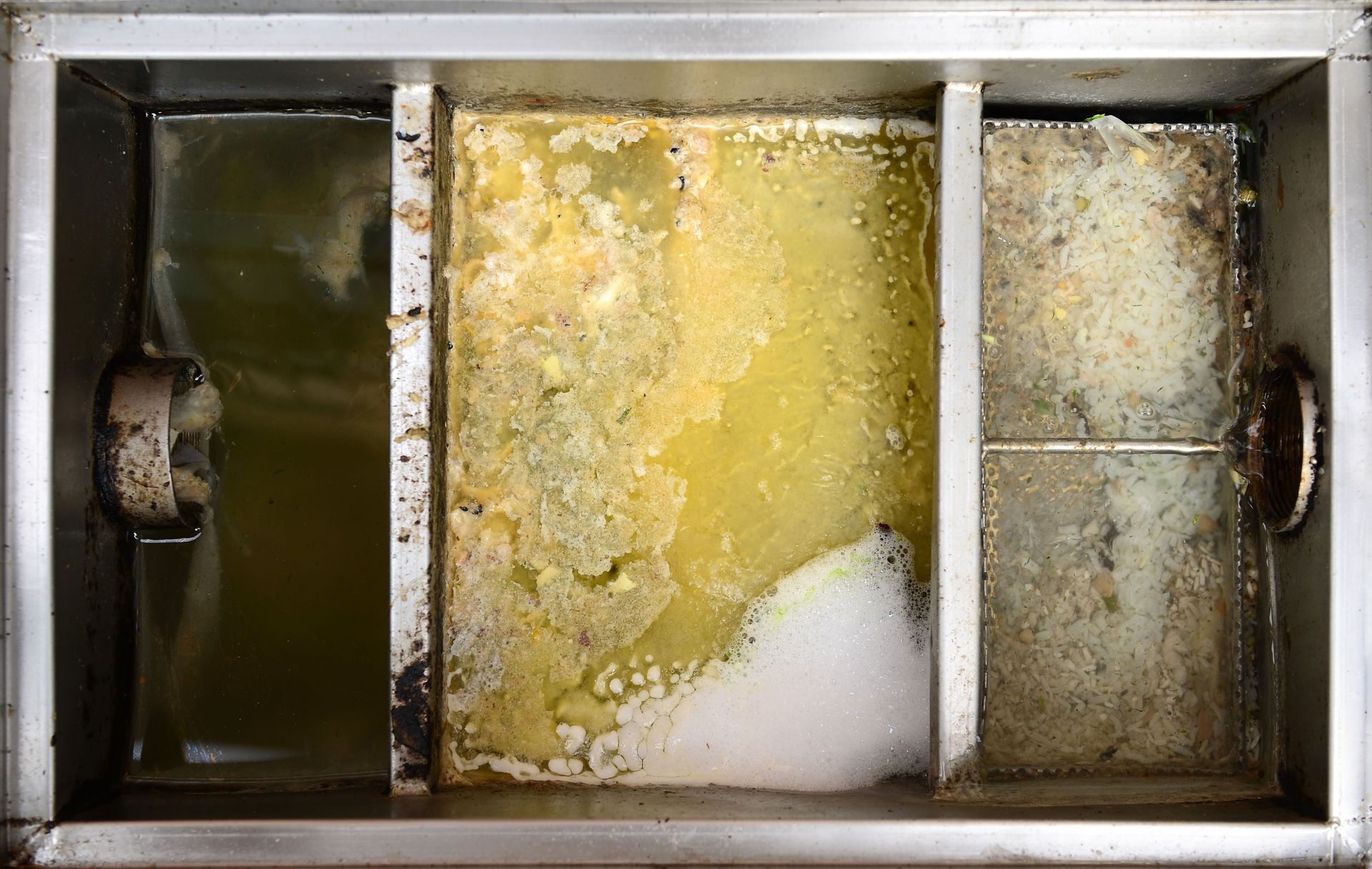
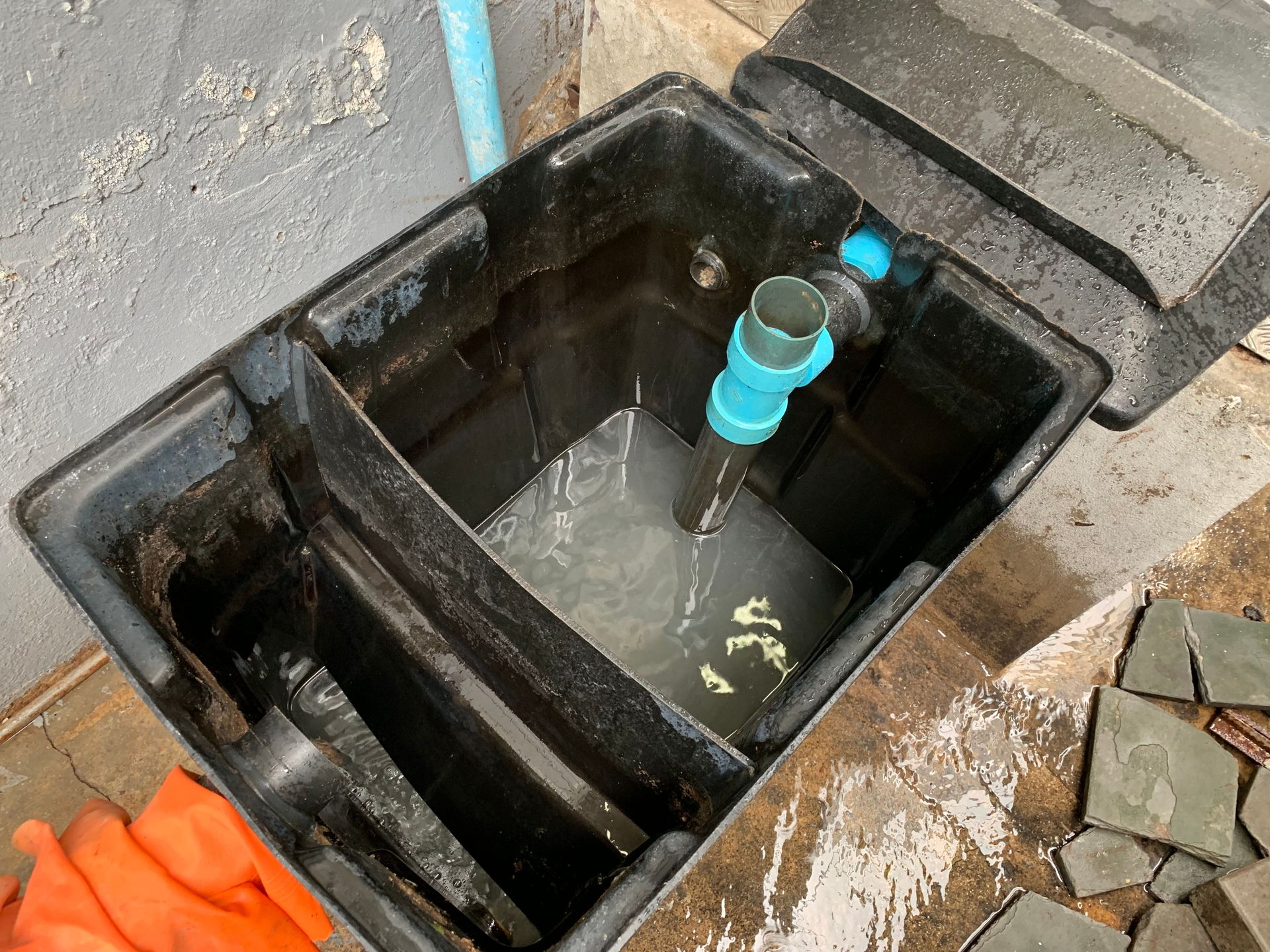
A grease trap, also known as a grease interceptor, is a plumbing device designed to capture fats, oils, and greases before they enter the main wastewater system. They are typically installed in the drainage systems of commercial kitchens, they are an essential part of preventing blockages and localized flooding. By separating FOG from wastewater, grease traps ensure that plumbing systems operate smoothly. The accumulation of grease within these traps can be managed efficiently with regular cleanings. Over time, if they are neglected, grease traps can overflow, causing noxious odors and even attracting pests.
How Grease Traps Work
Grease traps operate on a simple principle of gravity. Wastewater flows from the kitchen sinks into the trap, where separation occurs due to the different densities of water and FOG. As FOG is less dense than water, it floats to the top, while solids settle at the bottom, allowing cleaner water to flow out to the sewer line. This separation process is essential in maintaining efficient drainage systems. Regular maintenance is crucial to prevent the trap from reaching capacity and reversing the separation process. According to Citizens Energy Group, grease traps should be cleaned once every three months at a minimum to ensure optimal performance.
The Importance of Grease Traps in Restaurants
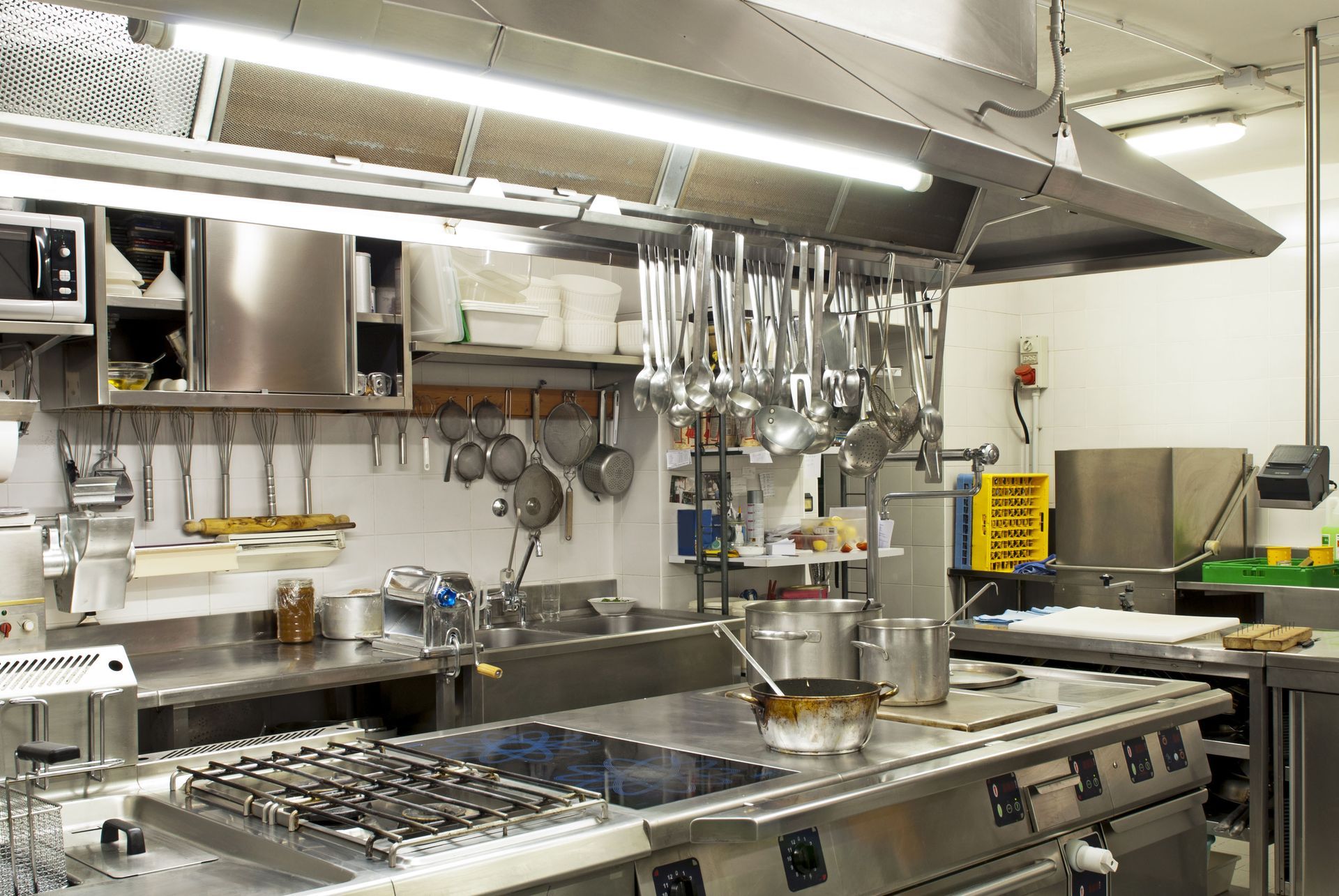
In bustling restaurant environments, where cooking occurs frequently, vast amounts of FOG are produced daily. Grease traps help meet health regulations, ensuring that wastewater systems are not overwhelmed. Efficient grease traps safeguard the establishment from plumbing emergencies that can halt operations. They also help to protect the local sewage systems by preventing massive grease buildups which can cause city-wide backups. This proactive measure not only safeguards the restaurant but also contributes to the community’s overall sanitation.
Types of Grease Traps Available
There are several types of grease traps available, each designed to meet specific needs. Passive grease traps are the most common in smaller establishments, offering easy installation and maintenance. Automatic grease removal units are more complex and ideal for larger establishments, as they automatically skim the grease into a sealed container for easier disposal. Grease traps utilize gravity and baffles to enhance separation, making them effective in high-flow environments. The choice of grease trap largely depends on the volume of FOG produced and the kitchen's layout.
Common Issues with Grease Traps
One of the most common issues with grease traps is clogging, which can lead to water backflow and kitchen flooding. Blockages are often caused by exceeding grease trap capacity or neglecting regular cleaning schedules. Foul odors emanating from grease traps indicate that maintenance is overdue, affecting the kitchen environment's overall air quality. Improper installation or incorrect sizing of grease traps can exacerbate these issues. Effective management includes regular cleaning and understanding potential issues to prevent them before they cause damage.
Signs You Need Grease Trap Cleaning
Slow Draining Sinks
Slow draining sinks are a telltale sign of a full or malfunctioning grease trap. As grease solidifies, it can restrict water flow, causing wastewater to drain slowly. This issue not only slows down kitchen operations but can also create more severe plumbing complications if not addressed promptly. Regular checks and maintenance can help prevent this inconvenience and keep your kitchens functioning smoothly. By addressing slow drainage early, you can avoid costly repairs and downtime.
Foul Odors From the Kitchen
Foul odors are a significant indicator that your grease trap requires attention. As grease accumulates and begins to decompose, it produces unpleasant smells that can permeate the kitchen and dining areas. These odors not only affect the dining experience but can also harm your restaurant's reputation. Regular cleaning helps neutralize these odors, ensuring a pleasant environment for both staff and patrons. Addressing odor issues swiftly is crucial for maintaining hygienic and inviting atmospheres in food establishments.
Increased Pest Activity
Increased pest activity is often linked to unclean grease traps. The smell and presence of decomposing grease attract pests such as flies and rodents. These pests pose significant health risks, contaminating food preparation areas and spreading disease. By maintaining a rigorous cleaning schedule, you can minimize pest infestations and ensure sanitary conditions. Proactive pest management includes addressing potential sources of attraction like neglected grease traps.
Water Backups and Overflows
One of the most severe signs of a neglected grease trap is water backup and overflow. When the trap reaches its capacity, wastewater has no place to go, leading to backups which can flood the kitchen area. These overflows pose significant health hazards, spreading bacteria and creating slippery hazards. They also disrupt kitchen operations, leading to potential closures for cleanup and repairs. Preventative maintenance helps avert these emergencies, ensuring the kitchen remains safe and operational.
Scheduled Maintenance Lapses
Regular maintenance is crucial, and lapses can lead to severe complications including those already discussed. According to Citizens Energy Group, grease traps should be cleaned once every three months at a minimum to ensure they function correctly. Missing these crucial maintenance windows due to oversight or neglect can lead to compounded issues over time. Staying organized with a scheduled routine helps prevent these lapses, ensuring consistent function of the grease trap system. Establishing reminders or service contracts can support adherence to maintenance schedules.
Benefits of Professional Grease Trap Cleaning
Ensuring Compliance with Health Regulations
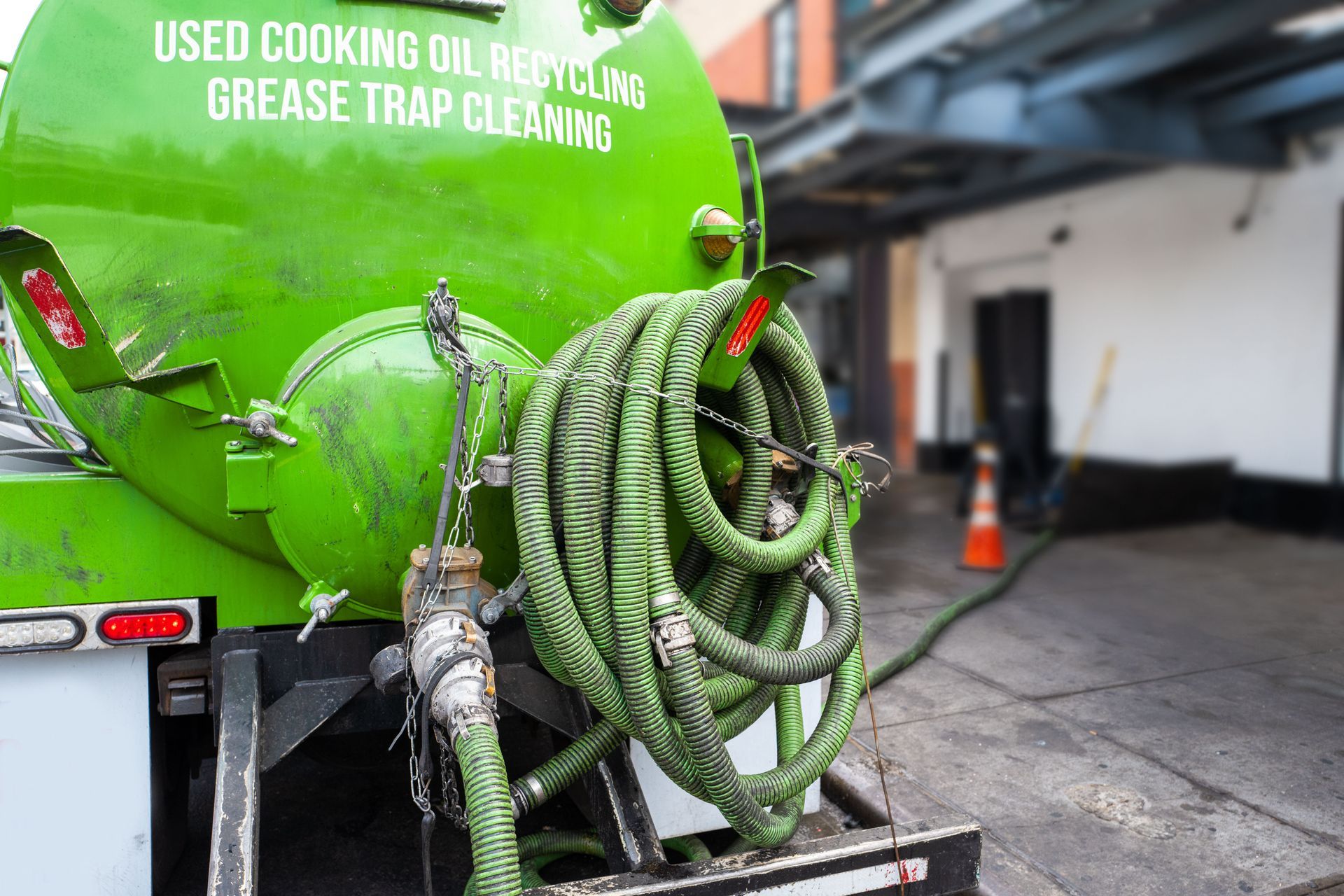
Professional grease trap cleaning services ensure compliance with health regulations that govern food service establishments. Regular inspection and cleaning of grease traps are often required by local health departments to prevent public health risks. Professional cleaners understand these regulations and ensure that your establishment consistently meets them. By maintaining compliance, you avoid fines and maintain a good standing with health inspectors. Furthermore, a clean, compliant kitchen supports safe food preparation, protecting both customers and staff.
Extending the Life of Plumbing Systems
Regular professional cleaning can significantly extend the life of your plumbing systems. Grease buildup not only causes blockages but can also corrode pipes over time, leading to expensive repairs. By regularly removing these buildups, you reduce wear and stress on the plumbing system. This proactive approach reduces the frequency of costly emergency repairs and replacements. Professional services offer expertise and the right tools to ensure thorough cleaning that prolongs infrastructure life.
Regular maintenance and efficient cleaning of grease traps are essential to effective kitchen operation and plumbing system health. By understanding the importance of these devices and utilizing professional cleaning services, you can ensure compliance with regulations, reduce operational risks, and promote a more sustainable kitchen environment. Proactive oversight, combined with emerging technologies, aids in minimizing environmental impact while optimizing kitchen efficiency. As technology advances, staying informed about new solutions will further enhance your kitchen’s efficiency and reduce its environmental impact. Ultimately, commitment to proper grease trap management supports business success and environmentally responsible operations. Be sure to reach out to Brooks Grease Service Inc today to learn more about our professional grease trap cleaning service!