October 27, 2026
A commercial kitchen depends on clean equipment, reliable plumbing, and an organized workflow to serve customers efficiently. When grease builds up in drainage systems or grease traps are not maintained properly, daily operations can become harder to manage. Slow drains, unpleasant odors, plumbing problems, and sanitation concerns can affect staff and customers alike. This article explains how poor grease trap management disrupts kitchen operations, why regular maintenance matters, and how professional assistance can help keep a commercial kitchen running smoothly.
Identifying Common Grease Trap Problems
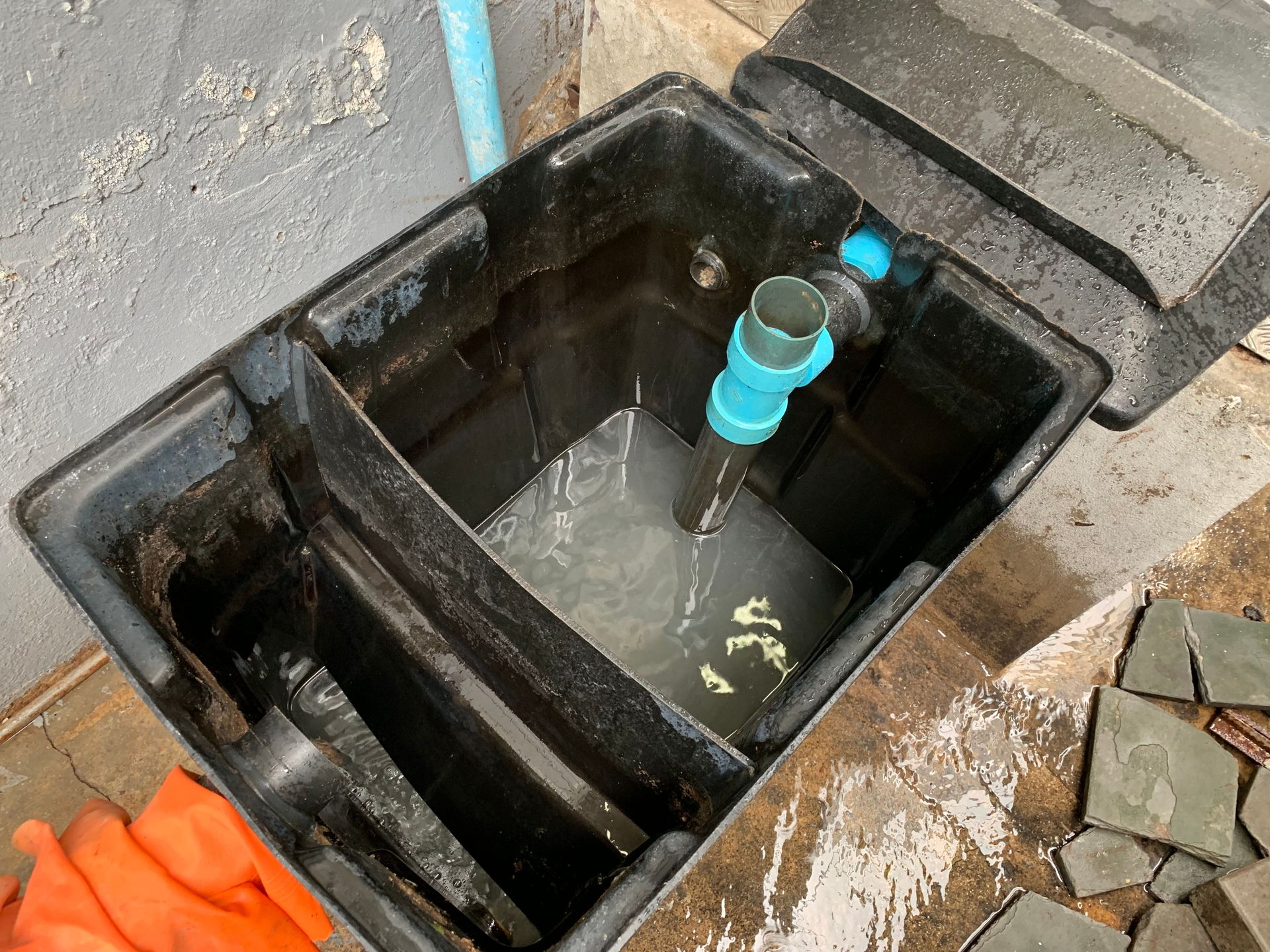
Grease traps separate fats, oils, and grease from wastewater before it enters the plumbing system. As water from washing dishes, food preparation, and cleaning passes through kitchen drains, these materials collect inside the trap and gradually reduce its capacity. When restaurant grease traps are not maintained regularly, grease buildup can slow drainage, cause unpleasant odors, and allow grease to enter connected pipes. These problems can affect sinks, dish washing stations, and food preparation areas, especially when they share drainage lines. Early warning signs may be easy to overlook during busy shifts. Slow drains or persistent odors can indicate a developing problem. Addressing these signs promptly can help prevent larger plumbing issues and interruptions to kitchen operations.
Reducing Delays During Daily Operations
Kitchen staff rely on working sinks, drains, and equipment to complete daily tasks. When drainage slows, employees may need to wait for water to empty before continuing with cleaning or food preparation. These delays can disrupt routines and make it harder to keep up during busy periods. Poor grease trap management can also affect kitchen workflow. When a sink or washing station becomes difficult to use, employees may need to share work areas or adjust their routines, creating congestion and slowing cleaning dishes and food preparation. Regular maintenance of restaurant grease traps helps prevent excessive grease buildup and reduce interruptions. When problems arise, seeking professional help can identify the cause and address it before it affects more of the kitchen.
Preventing Unpleasant Odors and Sanitation Concerns
Grease and food waste can produce unpleasant odors as they accumulate and break down inside a trap. These smells may spread into nearby work areas, making the kitchen less comfortable for employees. Strong odors can also reach dining areas, affecting the experience of customers who expect a clean and welcoming environment. Odors may become more noticeable when grease traps are overloaded or have not been serviced for an extended period. Food particles and other organic waste can add to the problem, particularly in kitchens that handle large amounts of food throughout the day. Regular maintenance helps manage this buildup and supports better conditions around sinks and drains.
Sanitation is another important concern. Commercial kitchens must keep work areas clean and manage wastewater properly to support safe food handling. When drainage problems interfere with cleaning routines, staff may have a harder time maintaining an orderly environment. Poor management of grease can also contribute to plumbing backups that require prompt attention. Maintaining restaurant grease traps helps support cleaner working conditions and reduces the likelihood of odor-related complaints. If smells persist despite routine cleaning, professional assistance can help determine whether the grease trap or another part of the drainage system is responsible. Identifying the source is important for addressing the problem rather than relying on temporary measures.
Limiting Plumbing Disruptions
Grease that passes through a trap can accumulate along the inside of pipes. As the buildup grows, it may narrow the space available for wastewater to flow. This can lead to slow drainage, recurring clogs, and backups that affect several fixtures within the kitchen. These problems can become more difficult to manage when they are left unresolved. A blockage in a shared drainage line may affect multiple sinks or washing stations, forcing employees to change their routines while the issue is addressed. Depending on the severity, the kitchen may need to limit certain activities until normal drainage returns.
The wider impact of grease buildup extends beyond individual businesses. According to the United States Environmental Protection Agency, up to 75,000 sewer overflows occur annually, many due to fats, oils, and grease. This highlights how grease entering drainage systems can contribute to larger wastewater management problems. Proper control of cooking grease in commercial kitchens plays a role in reducing the amount of these materials entering public sewer systems. Restaurant grease traps help capture fats, oils, and grease before they reach downstream plumbing. When these systems are overloaded or poorly maintained, their effectiveness can decline. Professional inspections and maintenance can help identify buildup, address drainage concerns, and reduce the risk of recurring disruptions.
Managing Costs and Unexpected Interruptions
Poor grease trap management can create expenses that go beyond routine maintenance. Plumbing repairs, emergency service calls, damaged equipment, and lost operating time can place added pressure on a restaurant's budget. Even a short interruption can affect meal preparation, service speed, and the number of customers a kitchen can accommodate. Unexpected problems may also require managers to shift staff responsibilities or change service plans. Employees might need to stop normal tasks while waiting for a blocked drain to be addressed. If the problem occurs during a busy meal period, the resulting delays can affect several parts of the operation at once.
Regular attention to grease traps can help businesses identify developing concerns before they become more serious. Maintenance schedules should reflect the amount of food prepared, the volume of wastewater produced, and the rate at which grease accumulates. Kitchens with high daily output may need more frequent attention than facilities with lighter use. Professional support can help restaurant operators understand the condition of their grease traps and respond to maintenance needs. Keeping records of service visits and recurring drainage issues can also help managers recognize patterns. This information makes it easier to plan maintenance around operating needs and reduce the chance of unexpected interruptions.
Supporting Staff Efficiency and Productivity
A well-organized kitchen depends on employees being able to complete tasks without unnecessary delays. When drains work properly, staff can wash utensils, clean equipment, and manage food preparation waste as part of their normal routines. Poor grease trap management can interfere with these tasks and add pressure during already demanding shifts. Recurring plumbing problems may also create frustration among employees. Staff members who regularly deal with slow sinks, unpleasant smells, or backed-up drains may spend more time managing problems than completing their assigned work. These interruptions can affect productivity and make it harder to maintain consistent cleaning practices.
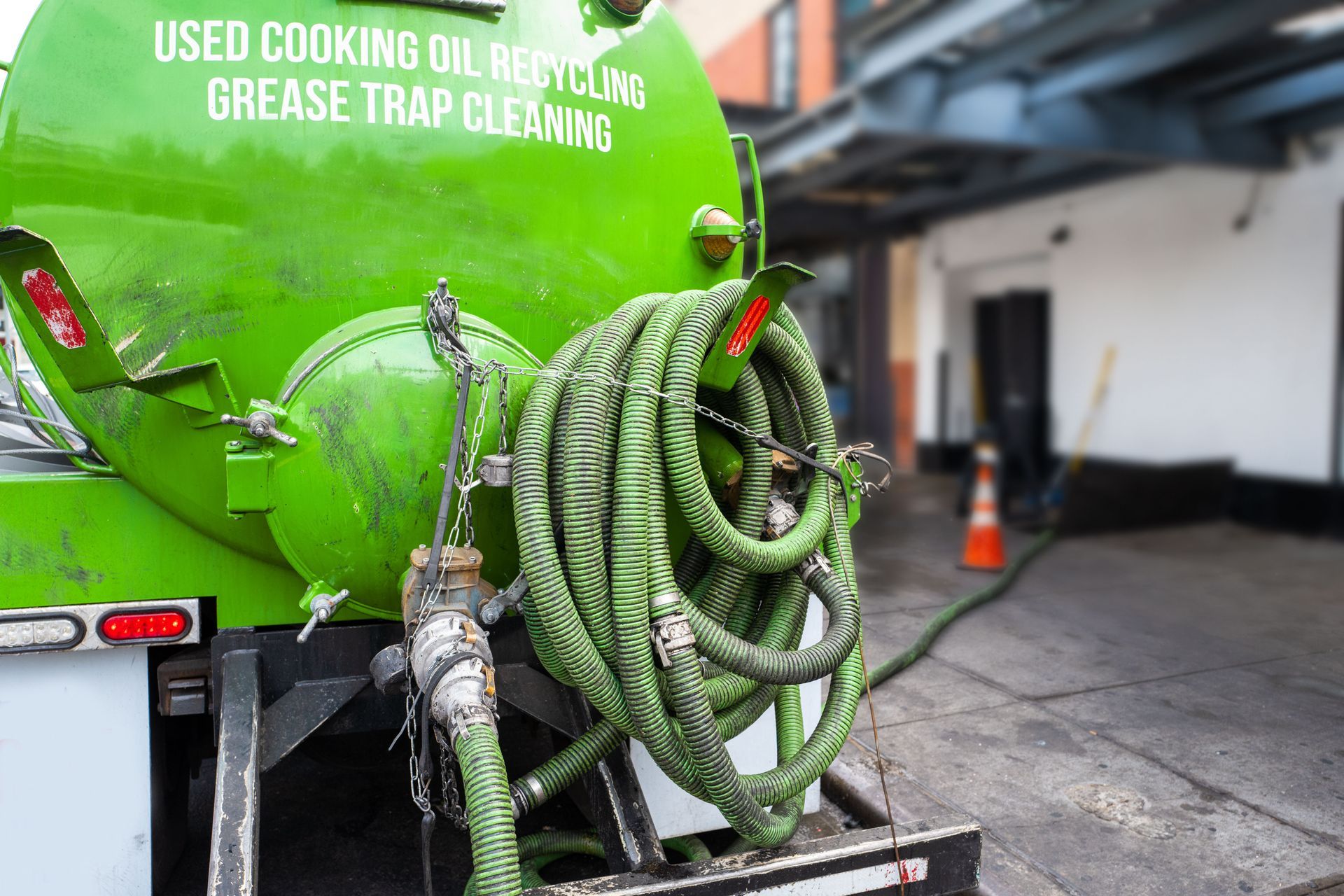
Clear maintenance procedures can help kitchen managers address grease-related concerns before they disrupt daily work. Employees should know how to report slow drainage, unusual odors, or signs of a backup so the issue can be evaluated promptly. Restaurant grease traps should also receive attention based on their usage and condition rather than waiting until visible problems occur. Professional assistance can help address concerns that go beyond routine kitchen cleaning. A qualified service provider can assess grease accumulation and identify whether a trap or connected drainage system needs attention. Resolving these issues can help staff return to their regular tasks with fewer interruptions.
Grease trap management is essential for keeping a commercial kitchen running smoothly. When grease builds up, it can cause slow drains, unpleasant odors, and plumbing problems that affect employees and customers. Regular maintenance, prompt attention to warning signs, and scheduled service can help reduce disruptions and keep work areas clean. Restaurant grease traps need maintenance based on kitchen activity, grease production, and equipment condition. Seeking professional help when problems arise can identify what needs attention and help prevent further issues. Contact Brooks Grease Service Inc to discuss your restaurant grease traps and maintain a cleaner, more efficient commercial kitchen.